
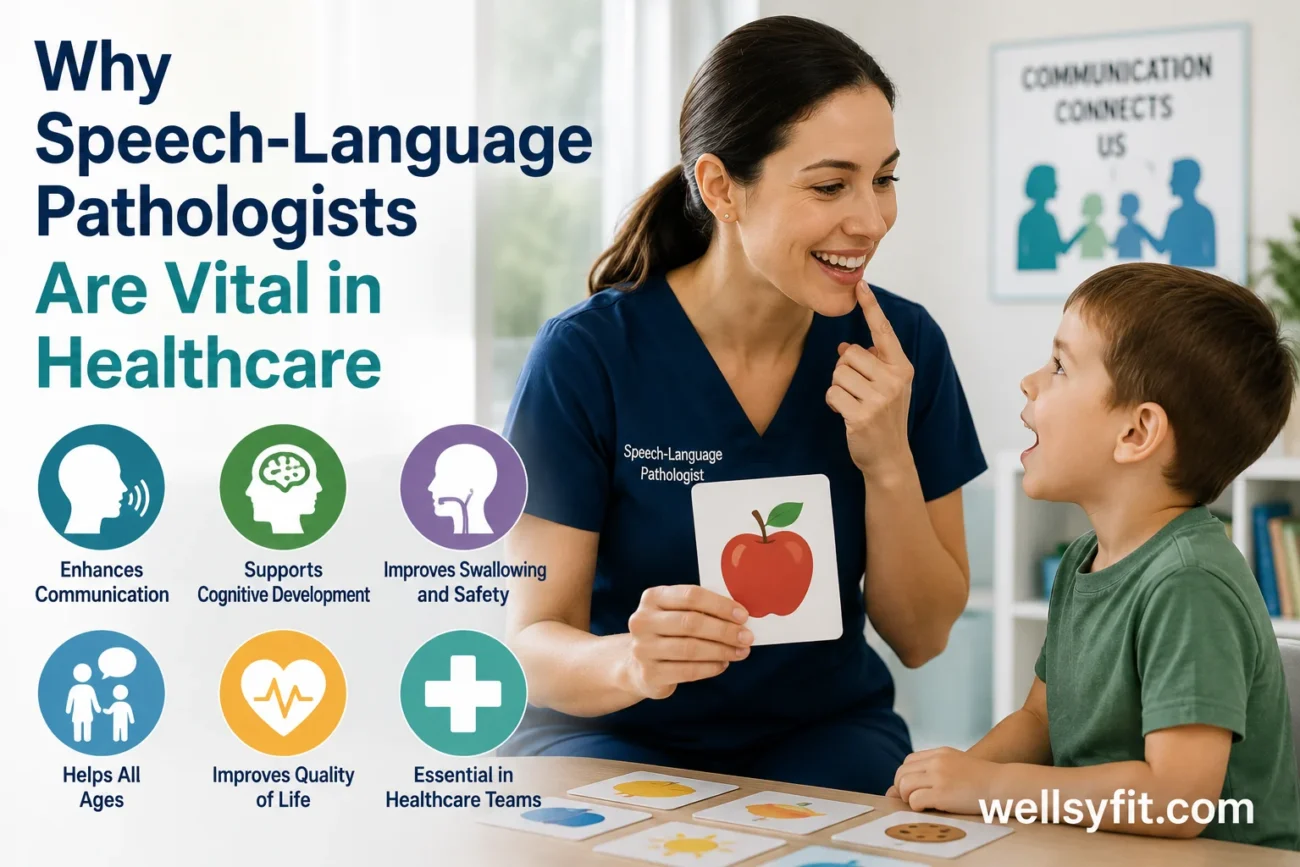
Communication shapes nearly every part of life. Conversations build relationships. Clear speech allows people to advocate for themselves. Safe swallowing keeps people nourished and protected from harm. When any of these abilities are disrupted, daily life changes quickly. Healthcare cannot focus only on curing diseases. It also needs to restore the skills that make independence possible.
Speech-language pathologists sit at the center of that effort. They support patients recovering from stroke, brain injury, cancer, developmental delays, and progressive neurological conditions. They protect airway safety when swallowing becomes risky. They guide children through critical language milestones. They help adults regain confidence after an illness has altered how they speak or think. Modern healthcare depends on professionals who address these deeply human functions. Speech-language pathologists make sure patients are not just surviving, but participating in life again.
Modern Healthcare Needs More Than Diagnosis
A diagnosis explains what went wrong. Treatment plans outline the medical response. Still, neither step automatically restores a person’s ability to communicate clearly or eat safely. Functional recovery demands specialized care that connects clinical findings to daily life. Speech-language pathologists provide that connection.
Their responsibilities extend far beyond correcting speech sounds. They evaluate language comprehension, expressive skills, cognitive communication, voice quality, and swallowing function. Each therapy plan reflects the patient’s condition, environment, and long-term goals. Progress in these areas often determines whether someone can return to work, succeed in school, or maintain independence at home. If you’re asking yourself what do speech pathologist do? Speech pathologists assess, diagnose, and treat communication and swallowing disorders across the lifespan. That scope places them at the center of both medical and rehabilitative care.
Restoring Communication After Illness or Injury
A stroke can suddenly alter speech. A traumatic brain injury may affect word retrieval or sentence organization. Neurological diseases can gradually change voice strength and clarity. These changes often leave patients feeling isolated and frustrated.
Speech-language pathologists help rebuild those lost skills. Therapy might focus on strengthening muscles for clearer articulation. It may involve retraining language processing so patients can express thoughts accurately. Sessions often incorporate real-world scenarios, such as making phone calls or participating in group conversations.
Managing Swallowing Disorders for Safety
Swallowing seems automatic until it becomes difficult. Dysphagia can follow stroke, head and neck cancer treatment, or progressive neurological disease. Food or liquid entering the airway creates a serious risk of pneumonia. Malnutrition and dehydration may follow when eating feels unsafe.
Speech-language pathologists conduct detailed swallowing evaluations. They observe muscle coordination, assess reflexes, and determine which textures are safest. Recommendations might include posture adjustments, specific exercises, or diet modifications. Some patients require instrumental assessments to visualize the swallowing process. Protecting airway safety is central to patient outcomes. Safe swallowing reduces hospital readmissions and prevents avoidable complications. Nutritional stability supports healing and energy levels.
Supporting Lifelong Communication Development
Speech-language pathologists also guide children through foundational stages of communication. Early language delays can affect reading, classroom participation, and peer relationships. Clear articulation influences confidence and social interaction.
Assessment identifies whether a child needs targeted support or simple monitoring. Therapy may include language expansion activities, sound production practice, or social communication strategies. Sessions are designed to feel engaging while remaining structured and goal-oriented. Strong communication skills influence academic achievement and long-term opportunities. Early support can change developmental trajectories. Parents receive guidance to reinforce progress at home, creating consistency across environments.
Enhancing Cognitive and Social Communication
Communication involves more than producing clear words. Cognitive processes such as memory, attention, organization, and problem-solving shape how messages are understood and delivered. Brain injuries, strokes, and neurodegenerative conditions can disrupt these skills. Conversations may become fragmented. Instructions may feel overwhelming. Social interactions may grow tense or confusing.
Speech-language pathologists address these challenges through structured cognitive-communication therapy. Sessions may focus on improving recall, strengthening attention control, or organizing thoughts before speaking. Real-life scenarios often guide treatment, such as planning appointments, managing medications, or participating in meetings.
Working Across Healthcare Settings
Speech-language pathologists practice in a wide range of environments. Hospitals rely on them during acute care to assess swallowing safety and communication after sudden illness. Rehabilitation centers depend on them to guide recovery over weeks or months. Outpatient clinics support continued progress after discharge. Schools integrate their expertise into individualized education plans.
Each setting presents distinct demands. Acute care requires rapid assessment and clear documentation. Rehabilitation emphasizes measurable functional gains. Educational settings focus on academic participation and developmental progress. Despite these differences, the core mission remains consistent: restore and strengthen communication and swallowing skills that allow individuals to participate fully in life.
Prevention, Education, and Advocacy
Speech-language pathologists contribute to prevention as much as treatment. Early screenings identify communication delays before they interfere with academic progress. Timely swallowing evaluations reduce the risk of aspiration and related complications. Proactive care limits long-term impact and supports smoother recovery.
Education plays a critical role in their work. Patients and caregivers learn practical strategies to manage communication challenges at home. Families receive guidance on creating supportive environments for children with speech or language differences. Clear instruction empowers people to remain active participants in their own care. Advocacy strengthens access to services across communities.
The Future Demand for Speech-Language Pathologists
Healthcare continues to evolve, and the demand for speech-language pathologists is rising. Aging populations increase the prevalence of stroke, dementia, and other neurological conditions that affect communication and swallowing. Greater awareness of developmental language disorders has also expanded referrals for early intervention.
Advances in medical treatment mean more patients survive complex conditions. Survivorship often brings rehabilitation needs that extend beyond physical recovery. Communication and cognitive support become essential parts of long-term care. Investment in speech-language pathology strengthens healthcare delivery. Improved functional outcomes reduce hospital readmissions and support independent living.
Speech-language pathologists play a vital role in modern healthcare because communication and swallowing influence every aspect of daily life. They restore speech after injury, protect patients from swallowing-related complications, support developmental growth, and strengthen cognitive communication skills. Their work extends across hospitals, rehabilitation centers, schools, and communities.
Healthcare cannot focus solely on diagnosing disease. Patients need support that helps them speak, think, eat, and engage with others confidently. Speech-language pathologists ensure those needs remain central in care planning. Recognizing their value means recognizing that recovery involves more than survival. It involves the ability to participate fully in life.
Disclaimer: Content on WellsyFit is for informational purposes only and does not replace professional medical advice. Always consult a healthcare provider.