
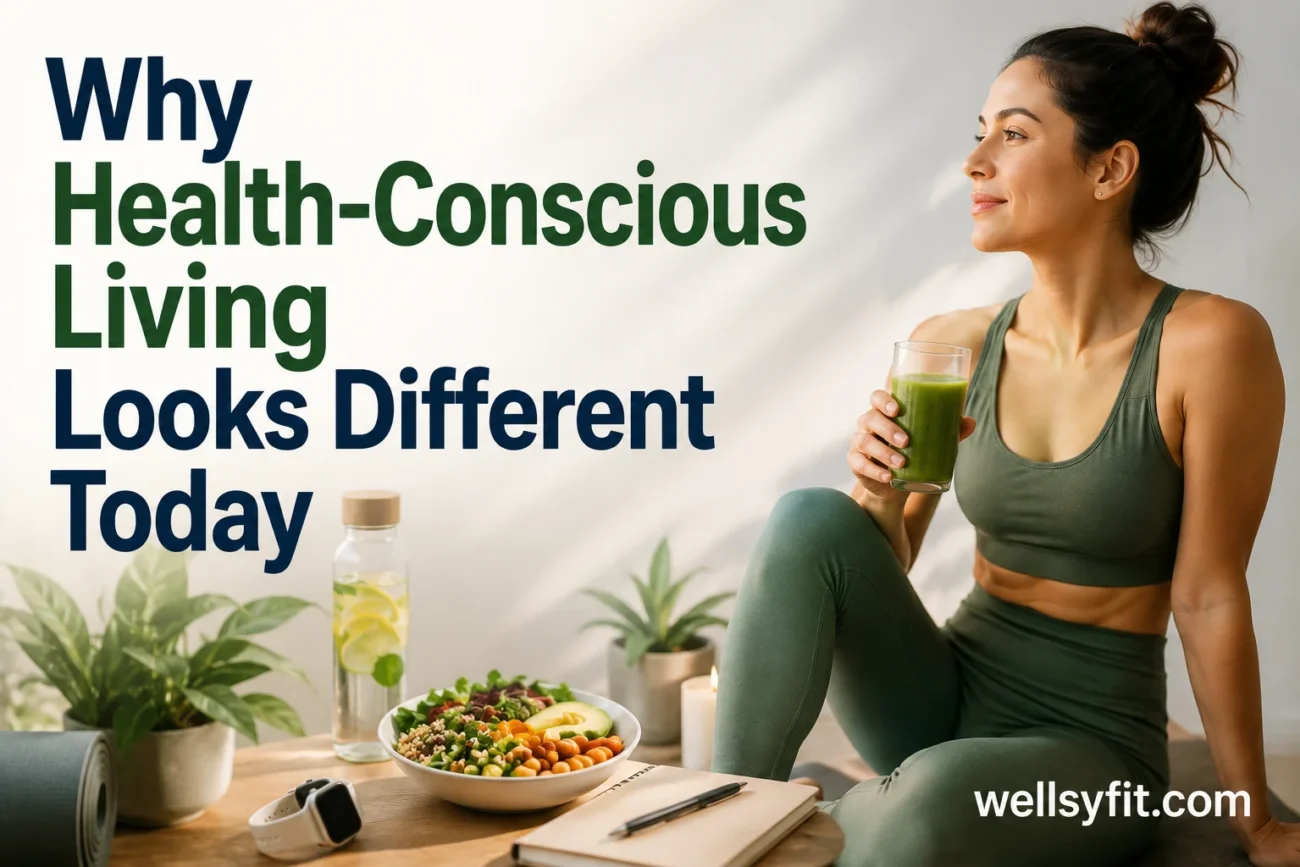
People carry supplements, protein bars, and giant water bottles everywhere now, yet many still feel exhausted most of the week. Someone drinks a healthy smoothie before work, skips meals during meetings, then stays awake too late scrolling through wellness advice online. Health-conscious living changed because everyday routines changed first. Life feels faster and more mentally crowded than it used to.
Older health advice assumed people had stable schedules and predictable routines. Most do not anymore. Work follows people home through phones, meals happen between errands, and stress gets treated like normal background noise. Wellness now includes sleep, energy, mental health, and stress management instead of focusing only on diet and exercise.
Wellness Habits Are Becoming More Personal
People approach wellness differently now because their lives look different from one another. Some focus heavily on nutrition while others care more about sleep, cleaner household products, or managing stress levels that seem permanently stuck too high. The idea that one routine works for everybody feels less believable than it once did.
That change also affected the way consumers research wellness brands. People read ingredient labels more carefully, compare sourcing information, and spend time looking at company transparency before buying products regularly. Social platforms became part of that research process because consumers want to see how companies present themselves publicly instead of relying only on advertising language. This is where companies like Melaleuca: The Wellness Company stand out. You can visit Melaleuca: The Wellness Company LinkedIn profile to know who’s behind the name, what the company’s objectives are, and what it is determined to achieve.
The company was founded in 1985 by Frank VanderSloot. It focuses on wellness products, including nutrition, personal care, household cleaning, and supplements. The Idaho-based company emphasizes healthier everyday living through research-driven products and consumer wellness education while operating internationally through its direct-to-consumer business model. Consumers today look for companies that align with their health and wellness goals.
Convenience Started Competing with Health
Convenience now shapes much of daily life, from food delivery apps to constant work notifications that follow people everywhere. While modern routines save time in some ways, they also leave many people sitting longer, sleeping less, and feeling mentally exhausted more often than before.
- Screen-heavy lifestyles have disrupted sleep quality.
- Long hours of sitting increased demand for standing desks and movement breaks.
- Busy schedules force many people to plan workouts like appointments.
- Wellness habits today often focus on managing stress and preventing burnout.
- Health has become more about staying functional than chasing perfection.
Modern wellness is less about ideal lifestyles and more about adapting to routines that rarely slow down. Many people now focus on maintaining balance, energy, and consistency rather than trying to follow unrealistic standards.
Consumers Became More Skeptical
People trust wellness marketing less automatically now because they have seen too many exaggerated claims cycle through the internet. Someone spots a new health trend online today and immediately checks reviews, ingredient lists, and expert opinions before buying anything. Social media made health information easier to access, but it also turned wellness into a fast-moving trend machine where advice changes every week.
That constant cycle pushed many people toward simpler habits instead of dramatic fixes. Drinking more water, sleeping better, walking regularly, and managing stress may sound boring compared to trendy detox plans, but those habits usually last longer. Wellness today feels less focused on perfection and more focused on staying functional through busy, mentally overloaded routines.
Mental Health Became Part of Everyday Wellness
Wellness conversations used to focus mostly on weight loss, exercise, and nutrition plans. Mental health sat in a separate category that many people avoided discussing openly. That changed quite a bit over the last few years. People now talk more honestly about burnout, anxiety, poor sleep, and emotional exhaustion because those problems have become harder to ignore in everyday life.
The pandemic pushed some of that shift forward, but changing attitudes helped too. Mental well-being became tied more closely to physical health, which expanded interest in therapy platforms, meditation apps, sleep products, and stress management tools. The strange part is that people are still expected to stay productive inside routines that often caused the stress in the first place.
Health-Conscious Living Looks Less Perfect Now
One noticeable difference today is that people seem less interested in appearing perfectly healthy all the time. Wellness culture used to focus heavily on strict routines and polished lifestyles that looked unrealistic for most normal people. Now there is more conversation around flexibility and balance, even if nobody fully agrees on what balance actually means anymore.
Someone might meal prep during the week but still order takeout on stressful days. Another person exercises regularly but struggles with sleep or screen time. Wellness became more connected to everyday reality instead of idealized routines that only work under perfect conditions.
That shift probably makes health-conscious living feel more complicated, though also more honest. People are trying to stay healthy in lives that are busy, expensive, overstimulating, and constantly connected. The goal for many is no longer perfection. It is simply feeling functional enough to keep up without burning themselves out completely somewhere along the way.
Disclaimer: Content on WellsyFit is for informational purposes only and does not replace professional medical advice. Always consult a healthcare provider.