
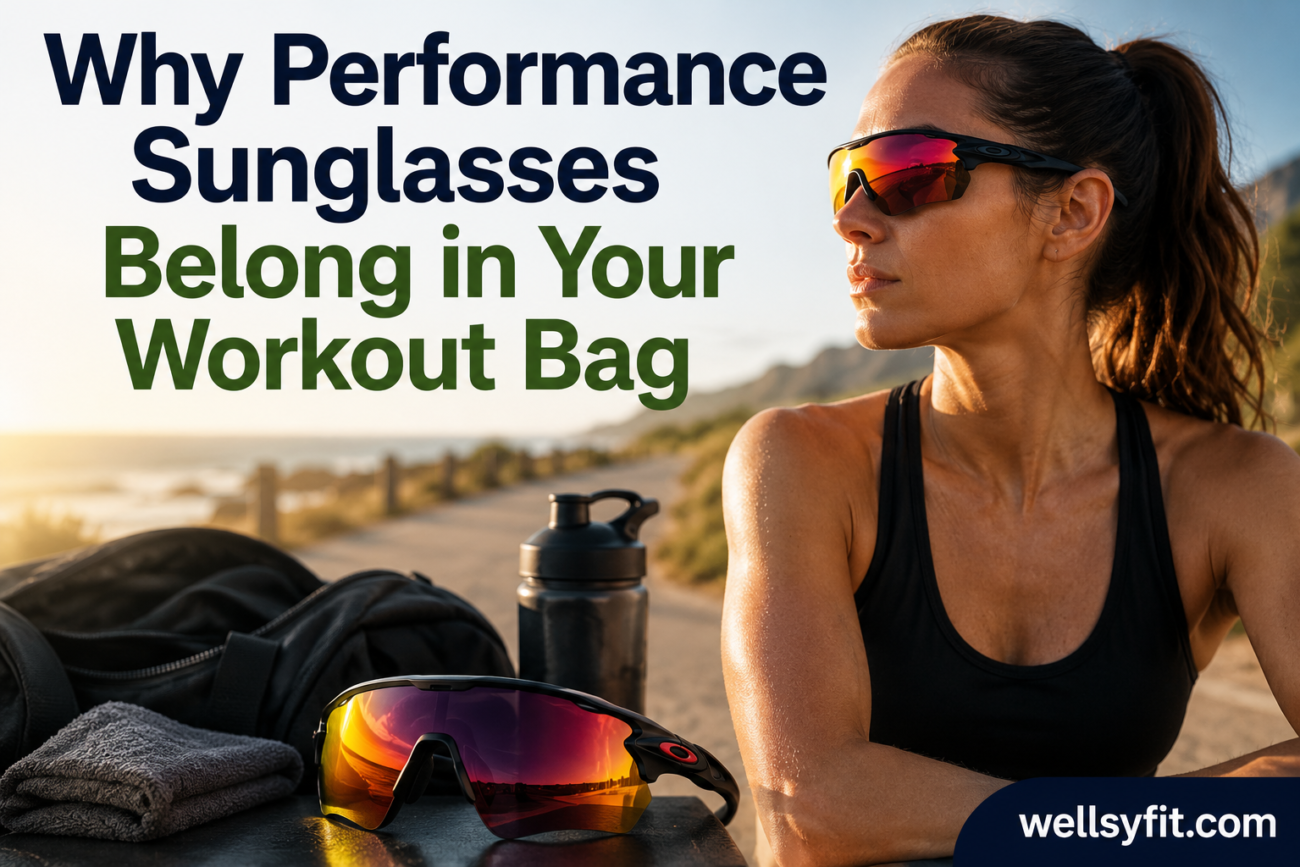
Most people have a mental checklist before an outdoor workout: shoes, water, maybe a fitness tracker. Eye protection rarely makes that list, even though it probably should. Squinting through a run, a ride, or an hour on the trail does more than cause a headache. It adds real strain on top of whatever the workout itself demands, and over time, unprotected sun exposure takes a toll on your eyes the same way it does on your skin.
This isn’t about vanity or style. It’s about giving your eyes the same consideration you’d give your knees or your lower back when you’re deciding what gear to bring outside.
Why UV Exposure During Exercise Adds Up
A single sunny afternoon rarely causes noticeable damage on its own. The issue is repetition. Someone who trains outdoors four or five times a week is getting far more cumulative UV exposure than someone who’s outside occasionally, and sun exposure adds up over time in ways that aren’t always obvious in the moment. That accumulation is exactly why regular outdoor exercisers benefit more from consistent eye protection than someone who only needs it for the occasional beach day.
It’s also worth remembering that UV exposure isn’t limited to bright, cloudless days. Overcast skies still let a meaningful amount of UV radiation through, which is part of why so many people skip sunglasses on a gray morning run and end up with sun-related eye strain anyway.
What Actually Matters in a Pair of Sport Sunglasses
Not every pair of sunglasses offers the same level of protection, and the American Academy of Ophthalmology recommends looking for lenses that block 100 percent of UV-A and UV-B rays rather than assuming a dark tint is doing the job. Lens color and darkness affect comfort in bright light, but they say nothing about UV protection on their own.
For anyone training outdoors regularly, a few other features matter beyond UV rating:
- A wraparound or close-fitting frame that blocks light from the sides
- Lightweight construction that won’t slide or bounce during movement
- A non-slip nose and temple grip for sweaty conditions
- Lenses rated for glare reduction if you’re running or cycling near water or pavement
The Rise of Smart Sport Eyewear
Sport sunglasses have historically done one job well: protect your eyes and cut glare. That’s changing. A newer category of performance eyewear, including Oakley AI Performance Glasses, combines that same UV protection with a built-in camera and open-ear audio, so the glasses that are already on your face during a workout can also capture footage or play music without adding another device to manage.
For runners and cyclists who already record training sessions for form review, or anyone who prefers listening to a playlist without in-ear headphones, this kind of gear consolidates two or three separate tools into one. It’s a small shift, but it removes a bit of friction from a routine, and less friction tends to mean fewer excuses to skip a session.
Fitting Eyewear Into Your Training Routine
Sunglasses work best when putting them on becomes as automatic as tying your shoes. Keep a pair by the door or clipped to your gym bag so there’s no extra step between deciding to work out and actually getting outside. If you train at different times of day, it’s also worth checking current heat and UV conditions before a longer session, since both sun intensity and heat risk shift significantly between an early morning run and a midday one.
If you wear prescription lenses, don’t assume that rules out proper sport eyewear. Most performance sunglass lines, including smart eyewear models, now offer prescription options, so there’s rarely a reason to train in regular glasses that weren’t built for sweat, impact, or glare in the first place.
Common Mistakes Worth Avoiding
A few habits quietly undercut good intentions here. Wearing sunglasses only when it feels especially bright, rather than consistently, leaves gaps in protection on hazy or overcast days. Buying a pair based on looks alone, without checking the UV rating, is another common one; a stylish frame with no real UV coating provides less protection than no sunglasses at all, since dark lenses can cause your pupils to widen and let in more unfiltered light.
It’s also easy to let sunglasses become an afterthought packed at the bottom of a gym bag instead of gear you actually reach for every time. Treating eye protection with the same seriousness as sunscreen or hydration is really the whole shift that matters.
Conclusion
Outdoor training has real benefits that indoor workouts can’t fully replace, but the sun exposure that comes with it deserves more attention than it usually gets. A properly rated pair of sport sunglasses, worn consistently rather than occasionally, protects your eyes the same way sunscreen protects your skin. Whether you stick with a simple UV-blocking pair or move toward newer smart eyewear that adds a camera and audio into the mix, the goal is the same: make eye protection part of the routine, not an afterthought.
Disclaimer: Content on WellsyFit is for informational purposes only and does not replace professional medical advice. Always consult a healthcare provider.