
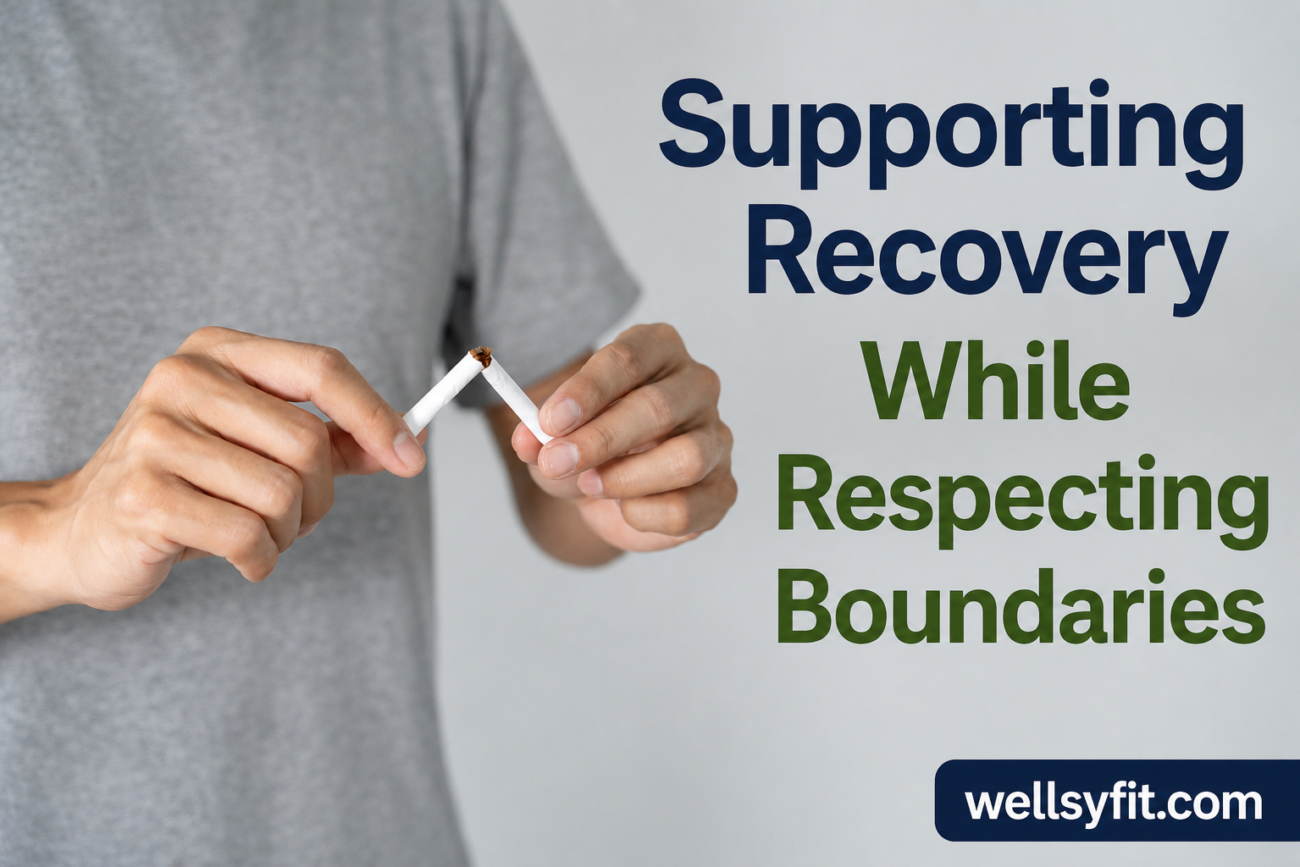
Recovery at home can feel a little like trying to help a plant grow during weird weather. You can’t force it, but you can make the space better for it. In Fountain City, a long-established Knoxville community where many families have put down roots for generations, support often begins at home before it extends to professional care.
As Knoxville continues to grow and now has a population of more than 200,000, more households are navigating the challenges of mental health and substance use recovery together. What helps most is often simple, steady, and human. You don’t need perfect words. You just need a calmer plan, some patience, and a good sense of where care ends and control begins.
Start with listening
When someone is trying to get better, being heard can matter as much as being helped. Your first job is not to solve everything by dinner. It’s to listen without jumping in, correcting every detail, or turning the talk into a lecture. That sounds easy until emotions show up wearing work boots.
You can ask simple questions like, “What feels hardest right now?” or “How can I support you this week?” Those questions open doors. Statements like “You need to just stop” usually slam them shut. If your loved one is exploring treatment, you may also end up looking at options together, including addiction rehabs in Fountain City if you’re trying to find care nearby that fits their situation.
Try to stay calm, even when the conversation gets messy. People speak more honestly when they don’t feel cornered. Listening doesn’t mean agreeing with everything. It means you’re making room for truth, and truth is where real help starts.
Learn the warning signs
You don’t need a clipboard or a lab coat to notice when something’s off. Everyday warning signs often show up in plain sight. A person may start missing work, skipping family plans, or acting secretive about money, phone calls, or where they’ve been. Sleep can get strange too. Some people seem wired all night, then vanish into exhaustion the next day.
Mood changes are another clue. You might notice more anger, more withdrawal, or a quick switch from cheerful to flat. Hygiene can slide. Meals get skipped. Promises stack up like laundry and never get folded. None of these signs prove everything on their own, but together they can tell you that more support is needed.
Try not to play detective. That usually turns the house into a stress factory. Instead, pay attention to patterns. If safety is a concern, take that seriously. If it feels like your loved one is struggling beyond what your home can handle, it may be time to talk about professional care, counseling, or a treatment plan.
Make home feel steady
A steady home can lower stress, and lower stress can make recovery feel less slippery. You don’t need to create a wellness retreat with bamboo fountains and cucumber water. Start small. Keep daily rhythms predictable. Mealtimes, sleep schedules, and household expectations help the day feel less chaotic.
The way you speak matters too. Calm communication is more useful than a dramatic showdown at 10:47 p.m. If there are frequent arguments, try pausing before tough talks. A conversation goes better when nobody feels ambushed. It also helps to reduce triggers where you can. That might mean not keeping alcohol in the house, avoiding certain social situations for a while, or changing routines connected to past substance use.
Your home doesn’t need to be perfect. It just needs to feel safe enough for progress. Little habits matter. A quiet breakfast, a clean space, a regular bedtime, and fewer surprises can do more than people think. Recovery likes consistency, even when life still feels bumpy.
Set kind boundaries
Support and rescuing are not the same thing. Boundaries help you love someone without getting pulled underwater with them. They also make expectations clearer, which can reduce confusion and conflict. Kind boundaries are firm, honest, and respectful. They’re not punishments in disguise.
You might decide not to lend money, not to cover for missed work, or not to accept lies about where someone has been. You may be willing to give rides to appointments but not to places connected to old habits. Those lines can feel awkward at first. Still, unclear rules often lead to bigger problems later.
The trick is to say boundaries simply and stick to them. Try, “I can help with groceries, but I won’t give cash,” or “I’m happy to talk tomorrow, but I won’t do late-night yelling matches.” No need for a speech worthy of an award show. Short and steady works best. Boundaries protect your peace, and they also show your loved one that support comes with honesty.
Help with daily basics
When someone is in recovery, basic life tasks can suddenly feel like climbing a hill in flip-flops. That’s where practical support can make a real difference. Think ordinary things: meals, rides, reminders, clean clothes, and help keeping a calendar from becoming a mystery novel.
You can make recovery easier by helping with food that’s simple and regular. Long gaps without eating can make mood and energy worse. Sleep matters too. Encourage routines that make rest more likely, like dim lights, less screen time late at night, and a calmer evening pace. Gentle movement helps some people as well. A short walk, stretching, or time outside can take the edge off a hard day.
You’re not there to run another adult’s life like a very stressed cruise director. Offer help, don’t grab the steering wheel. Ask what would actually make the week smoother. Maybe it’s a ride to counseling. Maybe it’s help organizing medications or setting phone reminders. Small support can keep everyday stress from turning into a bigger setback.
Take care of yourself
Helping someone through recovery can be deeply meaningful, and also deeply tiring. You may feel hopeful one day and wrung out the next. That doesn’t make you selfish or bad at this. It makes you a person with limits. If you ignore your own needs, resentment tends to sneak in wearing a fake mustache.
Make room for your own basics too. Sleep enough. Eat real meals. Talk to someone you trust. If you can, find a support group, therapist, or faith leader who understands what families go through. You don’t have to carry every heavy thought alone. It also helps to keep doing normal life things that refill your tank, like walking, reading, cooking, or seeing a friend.
Sometimes the healthiest move is stepping back from what isn’t yours to control. You can care deeply and still admit that professional help is needed. Recovery usually isn’t a straight line, but support at home can still be powerful. Stay honest, stay steady, and remember this: progress often looks quiet before it looks obvious.
Disclaimer: Content on WellsyFit is for informational purposes only and does not replace professional medical advice. Always consult a healthcare provider.