
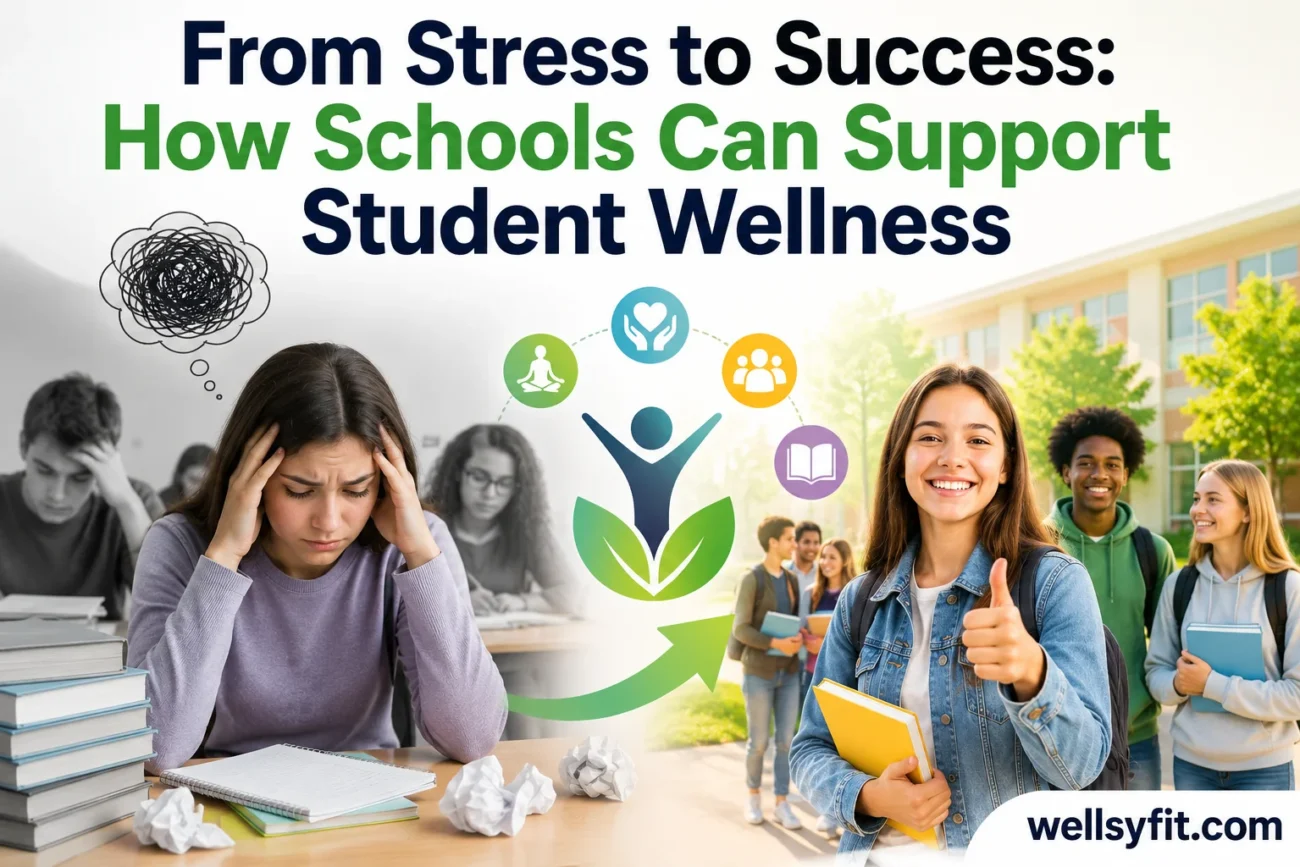
Students today face challenges that extend far beyond academics. From managing demanding coursework and extracurricular commitments to navigating social pressures and personal concerns, many young people carry a significant amount of stress throughout their school years. When these pressures go unchecked, they can affect not only academic performance but also emotional well-being, physical health, and overall development.
Schools play a central role in shaping a student’s daily experience. Because students spend a large portion of their time in educational settings, schools are uniquely positioned to create environments that support mental, emotional, and physical wellness. By taking a proactive approach, educational institutions can help students build resilience, develop healthy coping skills, and achieve greater success both inside and outside the classroom.
Let’s have a look at how schools can really champion student wellness.
Creating a School Culture That Prioritizes Well-Being
A school’s atmosphere has a direct impact on how students feel each day. When wellness becomes part of the school’s identity rather than an occasional initiative, students are more likely to feel valued, respected, and supported. This can be reflected in simple practices such as encouraging positive interactions, celebrating effort alongside achievement, and creating spaces where students feel comfortable expressing themselves.
A culture that prioritizes well-being also recognizes that success looks different for every student. Instead of focusing solely on grades and test scores, schools can promote personal growth, emotional intelligence, and healthy relationships.
The Importance of Qualified School Counselors
School counselors play a vital role in helping students navigate academic, personal, and social challenges. Their presence provides students with a trusted resource when they need guidance, support, or simply someone to listen. A qualified counselor can identify concerns early and help students develop strategies to address them before they interfere with learning and daily life.
The school counselor responsibilities extend far beyond scheduling classes. They assist with academic planning, conflict resolution, emotional support, crisis response, career guidance, and communication between students, families, and teachers. As schools place greater emphasis on student wellness, the demand for trained counselors continues to grow. For individuals interested in this rewarding profession, online degree programs have made it easier to gain the education and credentials needed to enter the field while balancing other commitments.
Teaching Students Effective Stress Management Skills
Stress is a normal part of life, but students often need guidance on how to handle it in healthy ways. Schools can help by teaching practical skills that students can apply both in and outside the classroom. Time management, goal setting, mindfulness exercises, and healthy coping techniques can make a significant difference in how students respond to challenges.
These lessons do not need to be limited to health classes. Teachers can incorporate discussions about balance, self-care, and resilience into everyday learning experiences. When students understand how to recognize signs of stress and respond constructively, they gain tools that will serve them well throughout their lives.
Encouraging Open Conversations About Mental Health
Many students hesitate to talk about their emotional struggles because they fear judgment or misunderstanding. Schools can help change this by creating an environment where conversations about mental health feel normal and accepted. When students hear trusted adults speak openly about emotional well-being, they are more likely to seek help when needed. Awareness campaigns, classroom discussions, and student-led initiatives can all contribute to reducing stigma.
Promoting Physical Health as Part of Student Wellness
Student wellness extends beyond emotional and mental health. Physical well-being plays an equally important role in helping young people stay focused, energized, and engaged throughout the school day. When students feel physically healthy, they are often better prepared to learn, participate, and manage challenges effectively.
Schools can support physical wellness by encouraging regular movement, providing nutritious meal options, and educating students about healthy habits. Physical education classes, sports programs, and opportunities for outdoor activity all contribute to a healthier school experience.
Creating Safe and Inclusive Learning Environments
Students thrive when they feel accepted for who they are. A safe and inclusive school environment allows students to focus on learning rather than worrying about whether they belong. When schools actively promote respect and understanding, they help build a stronger sense of community among students from different backgrounds and experiences.
Creating this type of environment requires more than written policies. It involves addressing bullying promptly, encouraging kindness, and ensuring that every student feels heard. Teachers and staff also play an important role by fostering classrooms where diverse perspectives are welcomed. When students feel secure and included, they are more likely to participate confidently and build positive relationships with their peers.
Supporting Healthy Technology and Social Media Habits
Technology offers countless educational opportunities, but it can also present challenges when not used thoughtfully. Many students spend a large portion of their day connected to devices, making it important for schools to promote healthy digital habits alongside traditional learning.
Students benefit from understanding how technology affects concentration, sleep, relationships, and self-esteem. Schools can teach digital citizenship, online safety, and responsible social media use while encouraging healthy boundaries around screen time. These conversations help students develop a balanced relationship with technology rather than viewing it as something that must always be present.
The most successful schools recognize that education is about more than academic performance. It is about helping young people develop the confidence, resilience, and self-awareness needed to navigate life with purpose. When schools invest in student wellness, they are investing in future leaders, innovators, caregivers, and community members.
Every student deserves an environment that encourages growth, supports challenges, and celebrates progress. By making wellness a lasting priority, schools can help students discover their strengths, build meaningful connections, and approach the future with optimism.
Disclaimer: Content on WellsyFit is for informational purposes only and does not replace professional medical advice. Always consult a healthcare provider.