
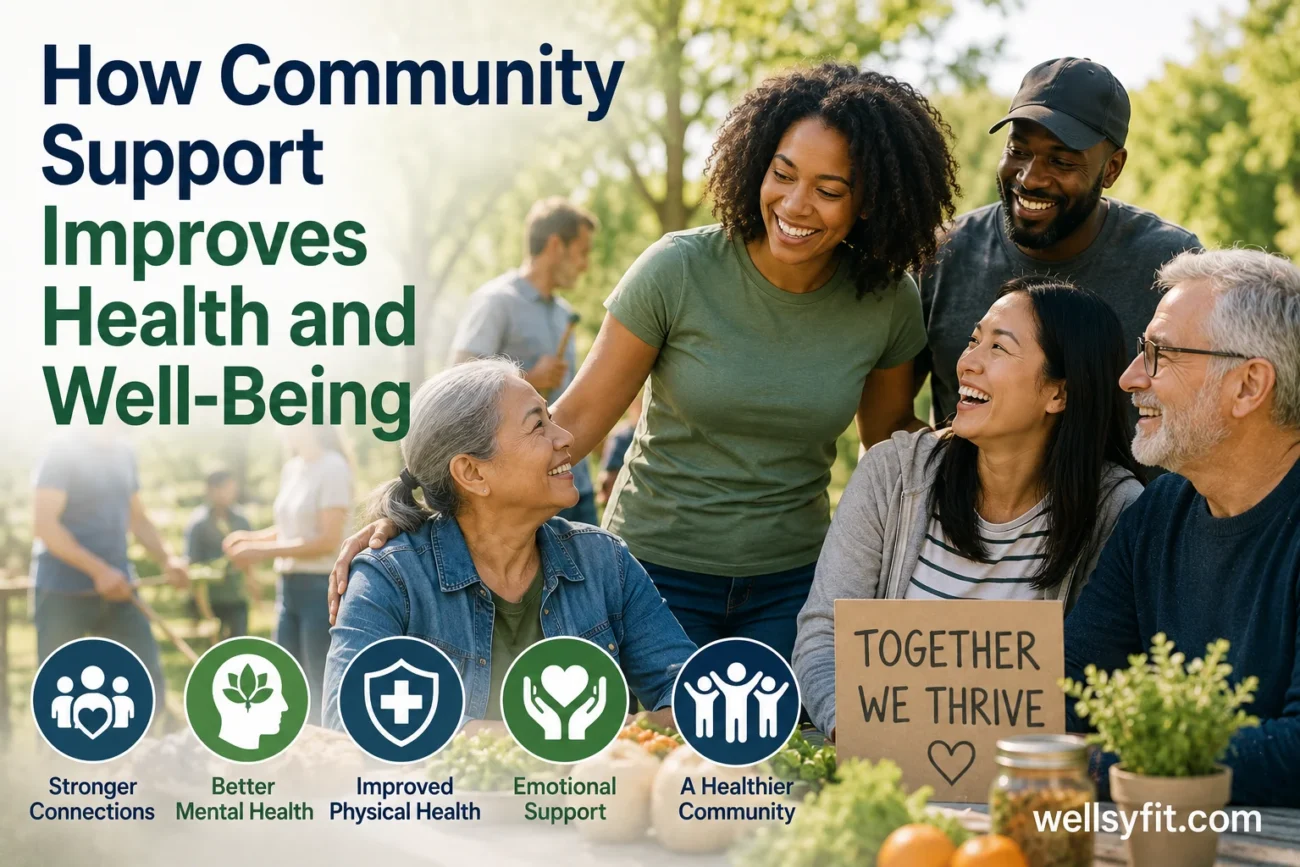
Good health depends on many factors, and access to medical care is only one part of the picture. The environments in which people live, work, and interact can significantly influence their overall well-being. Communities play an important role in creating conditions that support healthy lifestyles, emotional resilience, and social connection.
Community support can take many forms, including local organizations, volunteer initiatives, neighborhood networks, and social programs. These resources help people access information, build meaningful relationships, and find assistance when needed. As communities continue to evolve, understanding the relationship between social support and well-being has become increasingly important.
The Connection Between Social Support and Health
Social support refers to the encouragement, assistance, and sense of belonging people receive from those around them. Family members, friends, coworkers, neighbors, and community organizations all contribute to these networks. When people feel connected, they are more likely to maintain positive attitudes and adopt healthy behaviors. These relationships also provide practical help during challenging times, reducing feelings of isolation.
The impact of social support extends beyond daily interactions and can influence long-term health outcomes. Research shows that strong support networks are linked to lower stress levels, greater emotional stability, and improved well-being. Because these benefits are closely tied to the strength of community relationships, there is a growing need for practitioners who can help build and sustain effective support systems.
Addressing these challenges often requires specialized training in leadership, research, and social policy. However, gaining this knowledge can be difficult for those who are already balancing demanding careers in human services. Flexible educational pathways have therefore become increasingly important for professionals seeking to advance their expertise without stepping away from their existing responsibilities. As a result, many professionals look for institutions offering online Doctor of Social Work programs to deepen their expertise in leadership, research, and community-based practice. The advanced skills gained through these programs can help professionals develop stronger support networks, address complex social challenges, and contribute to healthier communities.
How Community Support Improves Mental and Emotional Well-Being
Mental and emotional health are closely linked to the quality of a person’s social environment. Individuals who feel supported by their communities often report higher levels of happiness, confidence, and life satisfaction. Meaningful interactions with others help reduce loneliness, which has become an increasing concern in many communities. Even simple forms of engagement can contribute to a stronger sense of belonging.
Community support also helps people manage stress during challenging periods. Whether facing financial difficulties, family concerns, or personal setbacks, individuals often benefit from having access to understanding peers and local support networks. Community groups, outreach programs, and social activities create opportunities for people to share experiences and receive encouragement. These connections can strengthen emotional resilience and help individuals maintain a more positive outlook over time.
Encouraging Healthier Lifestyle Choices
Communities often influence the daily habits that contribute to long-term health. When people have access to local wellness initiatives, fitness groups, and educational programs, they gain opportunities to make healthier choices. Community-driven efforts can increase awareness about nutrition, physical activity, and preventive care while providing motivation to stay committed to personal health goals.
Supportive environments also encourage accountability. Participating in group activities often makes it easier for individuals to maintain consistent habits because they receive encouragement from others with similar objectives. Community events, health campaigns, and recreational programs create opportunities for ongoing engagement. Over time, these collective efforts can lead to healthier lifestyles, improved well-being, and stronger relationships among community members.
Improving Access to Health Resources and Information
Access to reliable health information helps people make informed decisions about their well-being. Community organizations often play a key role by connecting residents with healthcare providers, educational materials, and preventive services. These efforts help individuals better understand health risks and available support options. They also encourage people to take a more active role in managing their health before problems become more serious.
Local health fairs, workshops, and outreach programs also make valuable resources more accessible. Many people may not know where to find assistance or how to navigate healthcare systems. Community-based initiatives help bridge these gaps by providing guidance and encouraging early intervention when health concerns arise. As a result, individuals can access support more quickly and make better-informed healthcare decisions.
Supporting Vulnerable and At-Risk Populations
Some groups face greater barriers to maintaining good health due to economic, social, or physical challenges. Older adults, individuals with disabilities, and underserved populations often benefit from community programs designed to address their specific needs. These services can provide practical assistance while promoting independence and well-being. They also help ensure that vulnerable individuals remain connected to essential resources and support networks.
Community support also helps reduce inequalities that affect health outcomes. Volunteer networks, nonprofit organizations, and local agencies frequently offer transportation, meal services, wellness checks, and social engagement opportunities. By addressing both immediate and long-term needs, these efforts improve quality of life and strengthen community inclusion. This support can also reduce the risk of isolation and help individuals maintain a greater sense of security and belonging.
Building Resilience During Difficult Times
Life can bring unexpected challenges, including illness, financial hardship, natural disasters, or personal loss. During these periods, strong community support systems become especially valuable. People who have access to emotional encouragement and practical assistance often feel better equipped to manage difficult circumstances and move forward.
Communities can provide support in many ways, from organizing relief efforts to offering counseling services and peer support groups. These resources help individuals cope with stress while reducing feelings of isolation. Consistent support fosters resilience, allowing people to recover more effectively and maintain their overall well-being during challenging times.
Strengthening Communities for Long-Term Well-Being
Healthy communities are built through ongoing participation and collaboration. When residents engage in local programs, volunteer activities, and community initiatives, they contribute to a stronger support network for everyone. These collective efforts create environments where people feel connected, valued, and motivated to improve their well-being.
Long-term investments in community engagement can lead to lasting health benefits. Strong social networks encourage cooperation, resource sharing, and mutual support. As individuals work together to address local challenges and promote wellness, communities become better positioned to support the health and well-being of future generations.
Disclaimer: Content on WellsyFit is for informational purposes only and does not replace professional medical advice. Always consult a healthcare provider.