
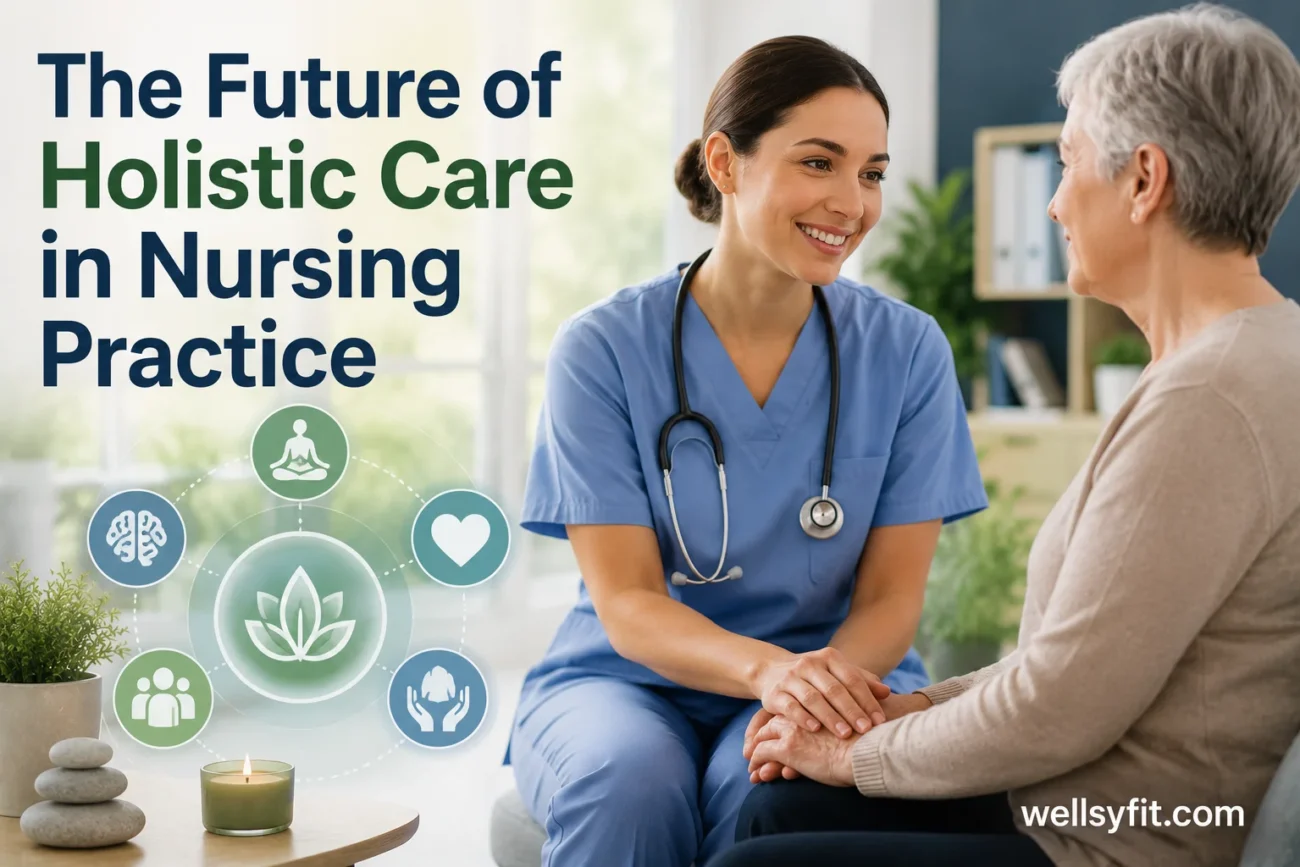
A patient may arrive with a physical symptom, but the story behind that symptom is often much larger. Sleep habits, emotional stress, family circumstances, and access to support can all influence health in ways that are not immediately visible. For nurses, this broader picture has become impossible to ignore.
Healthcare is becoming more sophisticated, and treatment plans are becoming more detailed. At the same time, there is growing recognition that people cannot be viewed only through diagnoses and procedures. A whole-person-care mindset is being encouraged because health is shaped by many interconnected factors.
Holistic care is not a new idea, although its importance is being highlighted in fresh ways. As nursing continues to evolve, attention is being directed toward physical health while emotional well-being, social needs, and personal circumstances are also being considered. The future-ready approach that many healthcare organizations are seeking depends on this wider perspective.
Beyond Symptoms, Seeing The Whole Person
The future of holistic nursing will be influenced by a simple principle: patients are more than their medical conditions. This understanding is becoming increasingly important as healthcare systems attempt to improve patient experiences and support long-term wellness.
Many nurses are expanding their knowledge to meet these expectations. Educational pathways such as a registered nurse to bachelor of science in nursing program are often pursued because broader healthcare concepts, patient advocacy, and community health are being emphasized. Nursing education is increasingly designed to encourage a deeper understanding of the factors that affect overall well-being.
When a patient reports recurring headaches, for instance, the conversation may extend beyond physical symptoms. Sleep quality, workplace pressures, and lifestyle habits might also be explored. A more complete picture can then be developed, allowing care to be tailored more thoughtfully.
This approach does not replace clinical expertise. Instead, clinical knowledge is strengthened when a wider view of the patient is considered. What if a health concern is connected to circumstances that are not being discussed during a routine assessment? Questions like this are encouraging healthcare professionals to think more broadly.
As holistic care becomes more integrated into nursing practice, patient relationships are expected to become even more meaningful.
Technology And Human Connection Can Work Together
Technology is playing a larger role in healthcare every year. Digital records, remote monitoring tools, and virtual appointments have changed how information is collected and shared. These developments have created new opportunities for nurses to support patients in different settings.
At first glance, it may seem that technology and holistic care are moving in different directions. In reality, they can complement one another when used thoughtfully. Data can provide valuable insights, while human interaction adds context and understanding.
For example, a remote monitoring device may indicate changes in a patient’s health status. The numbers may be useful, but they do not explain how that patient is feeling emotionally or what challenges are being faced at home. Those conversations are often initiated by nurses, and important details can be uncovered through active listening.
Healthcare systems are increasingly seeking balance. Technology can assist with efficiency, while compassion and communication can strengthen patient engagement. The future of holistic nursing will likely involve both elements working side by side.
Patients often remember how they were treated as people, not only how their conditions were managed. That reality continues to shape nursing practice in powerful ways.
Small Actions, Big Impact
Holistic care is not always defined by large interventions. In many cases, meaningful support is provided through everyday actions that help patients feel heard and respected.
Several practices are becoming more closely associated with holistic nursing:
- Encouraging patients to participate in care decisions
- Supporting emotional well-being during treatment
- Recognizing cultural and personal preferences
- Identifying social factors that may affect health
- Promoting health education and self-management skills
These efforts may appear simple, but their impact can be significant. Patients often feel more engaged when their concerns are acknowledged. Trust can be strengthened when communication is clear and respectful.
Consider an older adult who is struggling to follow a medication schedule. Rather than focusing solely on compliance, a nurse may explore practical barriers that are making the process difficult. Solutions can then be discussed in a way that respects the patient’s circumstances.
Holistic care often begins with careful observation and thoughtful conversation. Small actions, small actions, can influence how patients experience their healthcare journey.
Wellness Is Becoming Part Of Every Conversation
The future of nursing is likely to place greater emphasis on wellness rather than focusing exclusively on illness. Preventive care, patient education, and long-term health management are becoming central components of many healthcare strategies.
This shift is expanding the role of nurses. Conversations about nutrition, physical activity, stress management, and recovery are being incorporated into routine care. Patients are increasingly being encouraged to take an active role in maintaining their health.
A person recovering from surgery may require guidance that extends beyond wound care. Discussions about mobility, emotional well-being, and recovery after a C-section, for example, may all contribute to a smoother healing process. Holistic nursing recognizes that these aspects are interconnected.
Community health initiatives are also supporting this broader focus. Nurses are often involved in outreach programs that address wellness before serious health issues develop. Could healthcare outcomes improve when greater attention is given to prevention rather than reaction? Many healthcare professionals believe that this possibility deserves continued exploration.
As wellness becomes a larger priority, nursing practice is expected to become even more patient-centered.
The Heart Of Nursing Is Expanding, Not Changing
The future of holistic care in nursing practice is not centered on replacing traditional nursing principles. Instead, those principles are being expanded to reflect a deeper understanding of what health truly means. Physical care remains essential, though emotional support, social awareness, and patient empowerment are being given greater attention. Technology will continue to influence healthcare, but human connection will remain a defining feature of nursing. As expectations evolve and patient needs become more complex, holistic care is likely to become an even more valuable part of nursing practice. At its core, nursing has always been about caring for people, and that purpose continues to guide the profession toward a thoughtful, patient-focused future.
Disclaimer: Content on WellsyFit is for informational purposes only and does not replace professional medical advice. Always consult a healthcare provider.