
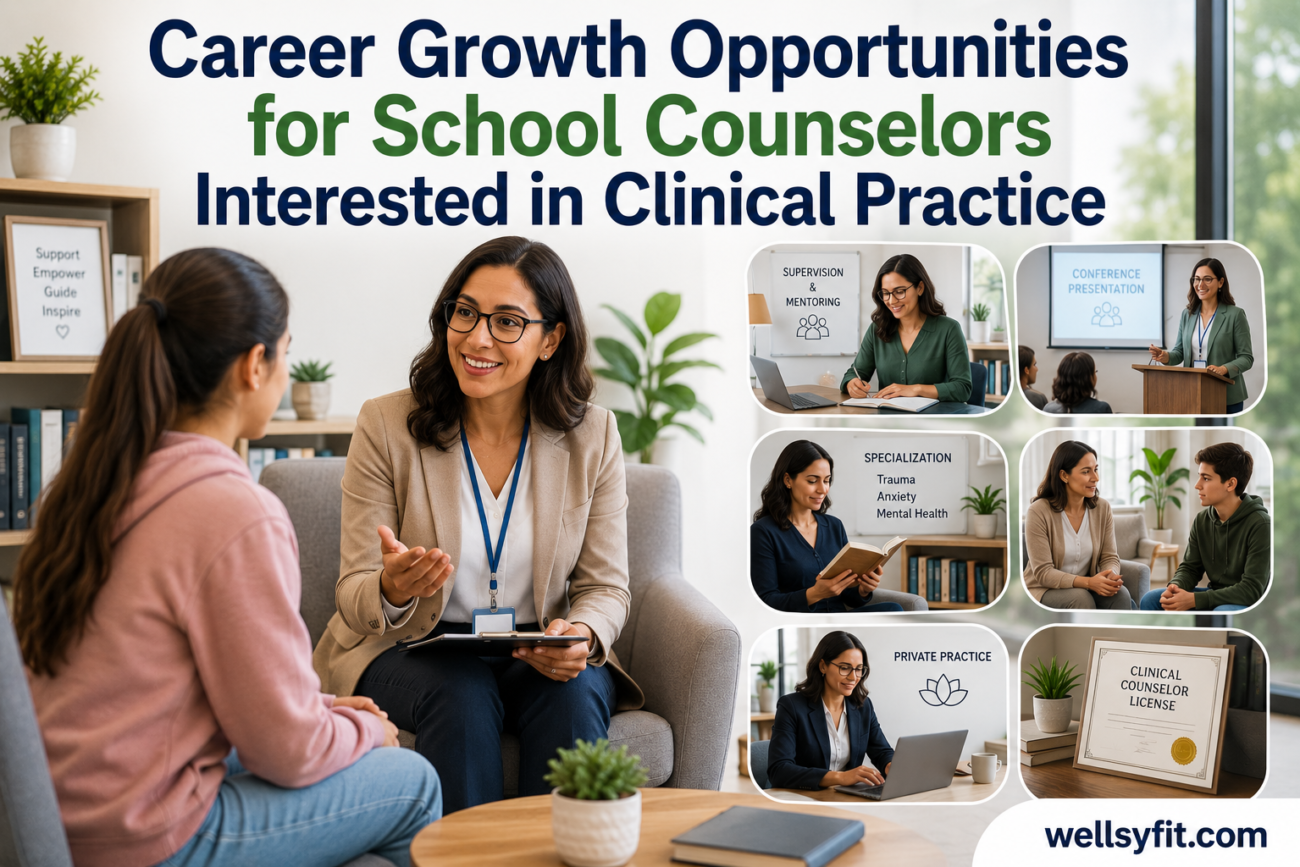
Many school counselors enter the profession because they want to help people navigate challenges and build healthier lives. Over time, some professionals discover they want to expand their impact beyond the school setting. They may enjoy working with students but also feel drawn to supporting individuals, families, and adults facing a wider range of mental health concerns.
The good news is that school counselors already possess many of the skills needed for clinical practice. Their experience in communication, emotional support, crisis response, and advocacy provides a strong foundation for career growth. With the right education and training, school counselors can explore new opportunities in mental health counseling and broaden the populations they serve.
Continuing Your Education to Expand Your Career Options
Many school counselors choose to continue their education because they want to develop new skills and qualify for additional professional opportunities. Clinical mental health counseling offers a path for professionals who want to work in healthcare settings, community organizations, treatment facilities, or private practice.
For school counselors who want to broaden their career options, pursuing an online CMHC school counselor licensure pathway can be a practical next step. The University of Wisconsin-Superior offers the Clinical Mental Health Counseling – Add-On Licensure for School Counselor Online Program, which helps qualified school counselors build competencies in assessment, diagnosis, treatment planning, crisis response, and clinical mental health counseling. The flexible online format allows working professionals to continue their education while maintaining their current responsibilities.
Additional education can also help counselors gain confidence when working with clients who experience complex mental health concerns. As the demand for mental health services continues to grow, professionals with both school counseling and clinical counseling expertise can become valuable assets in many settings.
Career Paths Available After Transitioning Into Clinical Practice
Private Practice Counseling
Private practice remains one of the most appealing career options for many counselors. Clinical licensure can create opportunities to work independently and provide counseling services to a wide range of clients.
In private practice, counselors may support individuals dealing with anxiety, depression, relationship issues, grief, trauma, and life transitions. This setting often provides flexibility in scheduling and allows professionals to focus on areas that match their interests and strengths.
Community Mental Health Centers
Community mental health centers play a vital role in providing accessible services to people from diverse backgrounds. These organizations often serve individuals who may not have access to private counseling services.
School counselors who transition into clinical practice can use their communication and advocacy skills to support clients facing emotional, behavioral, and social challenges. Community-based work also allows counselors to make a meaningful impact on underserved populations.
Hospitals and Integrated Healthcare Settings
Healthcare organizations increasingly recognize the importance of mental health services. As a result, counselors now play a larger role within hospitals, clinics, and integrated healthcare teams.
In these settings, counselors work alongside physicians, nurses, psychologists, and other healthcare professionals. They help patients manage emotional concerns related to illness, recovery, stress, and major life changes. For counselors who enjoy collaboration and multidisciplinary environments, healthcare settings can offer rewarding career opportunities.
Substance Use and Addiction Treatment Programs
Substance use treatment remains another growing area for counseling professionals. Many treatment centers rely on counselors to help clients understand the factors that contribute to addiction and develop healthy coping strategies.
Counselors in these settings often provide individual counseling, group therapy, relapse prevention support, and family education. Addiction counselors work across a variety of settings, including treatment facilities, community health centers, mental health clinics, and private practice, with education requirements that range from certification to graduate-level training.
Professionals who feel passionate about recovery and long-term wellness may find this field especially fulfilling.
Transferable Skills School Counselors Already Bring to Clinical Practice
Communication and Relationship Building
Strong communication skills sit at the center of both school counseling and clinical counseling. School counselors spend years building trust with students, families, teachers, and administrators.
Those same relationship-building skills help counselors create safe and supportive environments for clinical clients. The ability to listen carefully, ask thoughtful questions, and provide guidance remains valuable across all counseling settings.
Crisis Intervention and Emotional Support
School counselors regularly help students navigate difficult situations. They may respond to family issues, behavioral concerns, academic stress, or emotional challenges.
This experience often prepares counselors for many aspects of clinical work. While clinical settings may involve different populations and concerns, the ability to remain calm, provide support, and respond appropriately during challenging situations remains essential.
Advocacy and Resource Coordination
Counselors frequently connect individuals with resources that support their well-being. In schools, this may involve coordinating services for students and families. In clinical settings, it may involve connecting clients with healthcare providers, support groups, housing services, or community programs.
Professionals who already understand the importance of advocacy often adapt well to these responsibilities.
Benefits of Expanding Into Clinical Mental Health Counseling
Greater Career Flexibility
One major advantage of pursuing clinical practice involves increased career flexibility. Licensed professionals can explore opportunities across multiple industries and work environments.
Rather than limiting themselves to educational settings, counselors may choose careers in healthcare, nonprofit organizations, treatment facilities, private practice, or community agencies. Health-conscious living looks different today than it did even a decade ago, and that shift has created greater public demand for accessible mental health services across all of these settings.
Increased Professional Growth
Many counselors enjoy lifelong learning and professional development. Expanding into clinical mental health counseling allows professionals to strengthen their expertise and continue growing throughout their careers.
New experiences can also help counselors discover specialized interests such as trauma counseling, family counseling, addiction treatment, or crisis intervention.
Ability to Serve More Diverse Populations
School counselors primarily work with children and adolescents. Clinical practice creates opportunities to support clients across the lifespan.
Some professionals appreciate the chance to work with adults, couples, families, and older adults while continuing to use the counseling skills they have developed over the years.
By pursuing additional education and training, counselors can expand their professional opportunities and serve a broader range of clients. Whether they choose private practice, healthcare settings, community agencies, or treatment programs, clinical mental health counseling can open doors to meaningful and rewarding career paths. For professionals who want to grow their impact and continue supporting mental wellness, exploring clinical practice may be a valuable next step.
Disclaimer: Content on WellsyFit is for informational purposes only and does not replace professional medical advice. Always consult a healthcare provider.