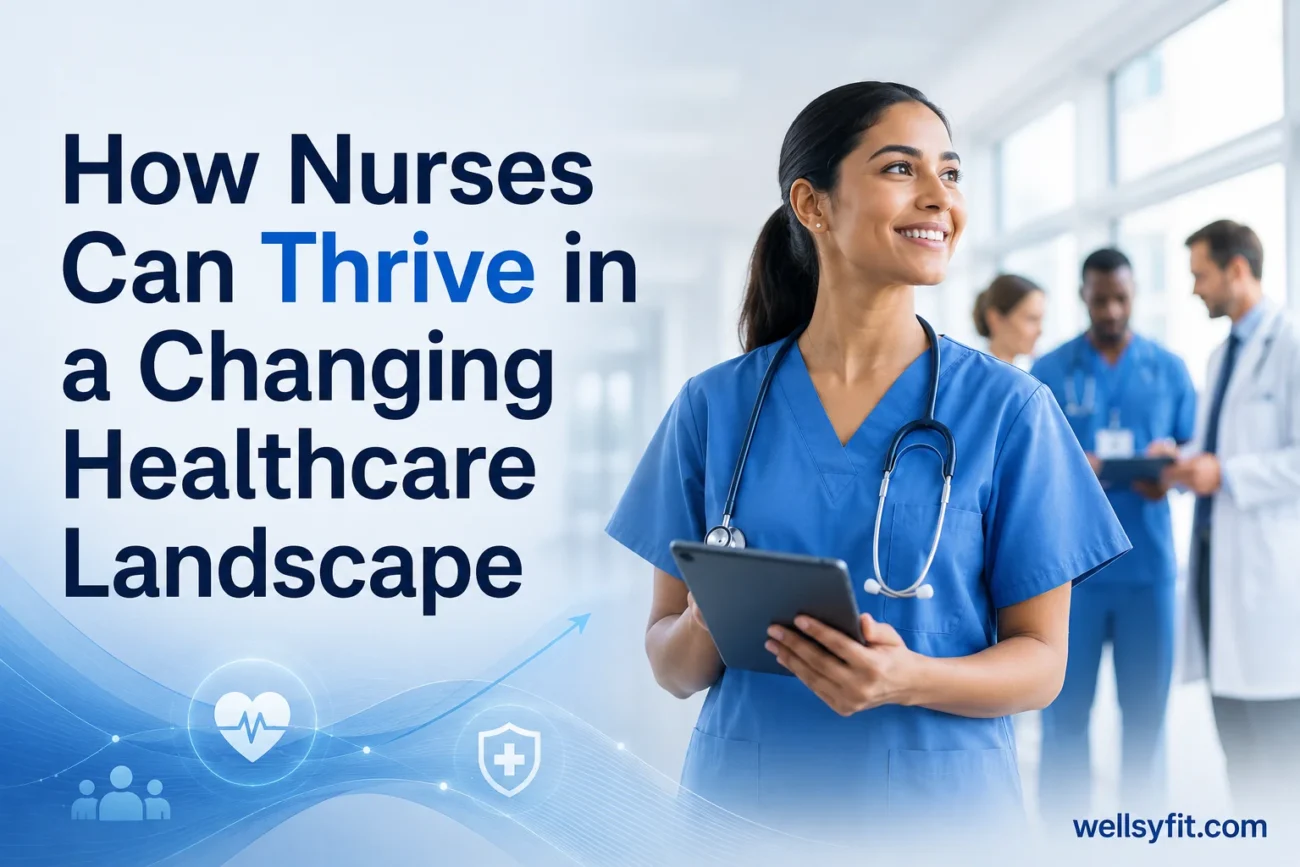
Healthcare continues to evolve at a steady pace, and nursing stands at the center of that transformation. Shifts in patient demographics, rapid technological growth, and changing care models require nurses to stay agile and informed. Growth no longer depends solely on years of experience. It depends on a willingness to expand knowledge and refine skills.
Professional development can take many forms. Advanced degrees, specialty certifications, and short-term training programs strengthen clinical expertise. Online courses allow nurses to explore new topics without stepping away from full-time roles. Workshops and simulation labs sharpen decision-making and teamwork abilities. Peer learning groups create space for shared insight and practical problem-solving.
Healthcare Trends Driving Change in Nursing
Modern healthcare reflects broader social and technological shifts. An aging population increases the demand for chronic disease management and long-term care planning. Diverse communities require culturally responsive communication and individualized approaches. Hospitals and clinics rely more heavily on digital infrastructure, which changes how patient data is recorded and shared.
Care delivery models have also expanded beyond traditional hospital settings. Telehealth connects providers and patients across distances. Outpatient and home-based services continue to grow. Interdisciplinary teams collaborate more closely to manage complex cases. Nurses often serve as the link between specialists, patients, and families.
Education Pathways That Build Future-Ready Skills
Education remains one of the most effective ways to prepare for evolving demands. Structured programs provide depth of knowledge and structured clinical exposure that strengthen professional readiness. Accelerated options offer another pathway for individuals entering the field with previous academic experience.
Career changers often look for efficient routes into nursing that maintain academic rigor. Some of the benefits of direct entry nursing programs include accelerated coursework, diverse clinical rotations, mentorship support, and expanded career flexibility. These programs combine foundational theory with hands-on practice, allowing students to transition into advanced roles with clarity and competence. Graduate education also opens doors to leadership, specialized practice, and research-based roles.
Mastering Clinical Technology and Digital Tools
Technology now plays a central role in patient care. Electronic health records, remote monitoring devices, and clinical decision support systems shape daily workflows. Comfort with these tools enhances efficiency and reduces the risk of error.
Digital literacy extends beyond basic navigation. Nurses must interpret data trends, document accurately, and safeguard patient privacy. Training sessions, hands-on practice, and peer mentorship improve technical confidence. Many healthcare organizations provide in-house instruction when new systems are introduced. Active participation in that training strengthens practical understanding.
Communication and Team Collaboration Skills
Strong communication supports every aspect of nursing practice. Clear explanations ease patient anxiety and encourage adherence to care plans. Thoughtful listening builds trust and promotes accurate assessment.
Healthcare now relies on coordinated team efforts. Physicians, therapists, social workers, and nurses must exchange information effectively to avoid gaps in care. Structured communication tools, such as standardized reporting methods, improve clarity and accountability. Simulation training offers valuable practice in high-pressure scenarios. Role-playing exercises allow nurses to refine responses to complex situations. Reflective practice also strengthens interpersonal awareness. Honest self-evaluation encourages growth and emotional intelligence.
Critical Thinking and Evidence-Based Practice
Critical thinking anchors safe and effective care. Nurses assess symptoms, interpret data, and anticipate complications in dynamic environments. That analytical skill develops through experience and continued learning.
Evidence-based practice connects research findings with clinical decision-making. Nurses who understand how to evaluate studies and apply best practices enhance patient outcomes. Journal clubs, research seminars, and continuing education courses strengthen research literacy. Case reviews provide another avenue for growth. Discussing real-world scenarios encourages deeper reflection and shared insight. Mentorship relationships also foster analytical development through guided feedback and discussion.
Leadership and Management in Nursing Roles
Leadership in nursing extends far beyond formal titles. Charge nurses, preceptors, and even bedside staff influence patient care through daily decisions and team coordination. Confidence in delegation, time management, and conflict resolution strengthens unit performance and patient safety.
Strong leaders understand workflow and anticipate challenges before they escalate. That awareness develops through experience, mentorship, and intentional skill building. Workshops on management principles, quality improvement initiatives, and committee involvement offer valuable exposure to decision-making processes. Nurses who volunteer for project-based roles gain insight into policy development and operational planning.
Resilience and Emotional Intelligence
Nursing demands emotional strength alongside clinical skill. High-pressure situations, patient loss, and complex family dynamics can challenge even seasoned professionals. Emotional intelligence allows nurses to recognize their own responses while remaining attentive to others.
Self-awareness forms the core of resilience. Nurses who reflect on experiences identify patterns in stress and coping strategies. Structured debriefings after critical incidents create opportunities to process emotions in supportive environments. Peer support networks strengthen that process by normalizing shared challenges.
Lifelong Learning and Professional Growth
Continuous learning defines excellence in modern nursing. Clinical standards evolve as research advances and patient needs shift. Commitment to growth ensures skills remain current and relevant.
Professional associations offer access to updated guidelines, continuing education modules, and networking opportunities. Specialty certifications deepen expertise in focused areas of practice. Conferences and seminars expose nurses to emerging innovations and broader industry conversations. Online learning platforms provide flexibility for busy schedules. Self-paced courses allow nurses to explore topics such as informatics, population health, or advanced pharmacology without disrupting employment.
Networking and Career Navigation
Career development benefits from meaningful professional connections. Relationships with colleagues, mentors, and interdisciplinary partners create pathways to new opportunities. Networking encourages knowledge exchange and broadens perspective.
Professional organizations serve as valuable platforms for collaboration. Active involvement introduces nurses to leaders across specialties and regions. Structured mentorship programs offer targeted guidance for career planning and skill refinement. Career navigation also involves strategic goal setting. Clear objectives guide decisions about certifications, education, and role transitions. Informational interviews and peer discussions provide insight into evolving career paths within healthcare systems.
Healthcare will continue to transform in response to technological innovation, demographic change, and expanding care models. Nurses who adapt with intention remain at the forefront of that progress. Technical proficiency, strong communication, critical thinking, leadership capability, emotional resilience, and commitment to ongoing learning form the foundation of future success.
Professional growth requires consistent effort and thoughtful planning. Education, mentorship, collaboration, and reflective practice create steady advancement. Nurses who embrace these opportunities shape not only their own careers but also the quality of care delivered to patients and communities.
Disclaimer: Content on WellsyFit is for informational purposes only and does not replace professional medical advice. Always consult a healthcare provider.