

Managing diabetes often means paying close attention to every food choice. Many people wonder whether certain snacks will raise blood sugar or interfere with diabetes control. One common question is can diabetics eat pickles.
Pickles are crunchy, tangy, and low in calories, which makes them a popular snack. But because they are preserved in brine and sometimes contain added sugar, their impact on blood sugar can vary.
The good news is that many types of pickles can fit into a diabetes friendly diet when chosen carefully. Understanding how pickles affect blood sugar, sodium intake, and overall health can help you decide whether they are a smart addition to your meal plan.
Can Diabetics Eat Pickles?
Yes, in most cases diabetics can eat pickles, especially traditional dill pickles that contain very little sugar and carbohydrates.
Pickles are typically made from cucumbers that are preserved in vinegar or fermented in brine. Because cucumbers are naturally low in carbohydrates, pickles usually have minimal impact on blood glucose levels.
However, the answer depends on the type of pickle and how much you eat. Some varieties include added sugar, while others contain high amounts of sodium. These factors are important for people managing diabetes.
When consumed in moderation and chosen wisely, pickles can be a flavorful snack that fits into a balanced diabetes friendly diet.
Nutritional Profile of Pickles
Understanding the nutritional makeup of pickles helps explain why they may be suitable for people with diabetes.
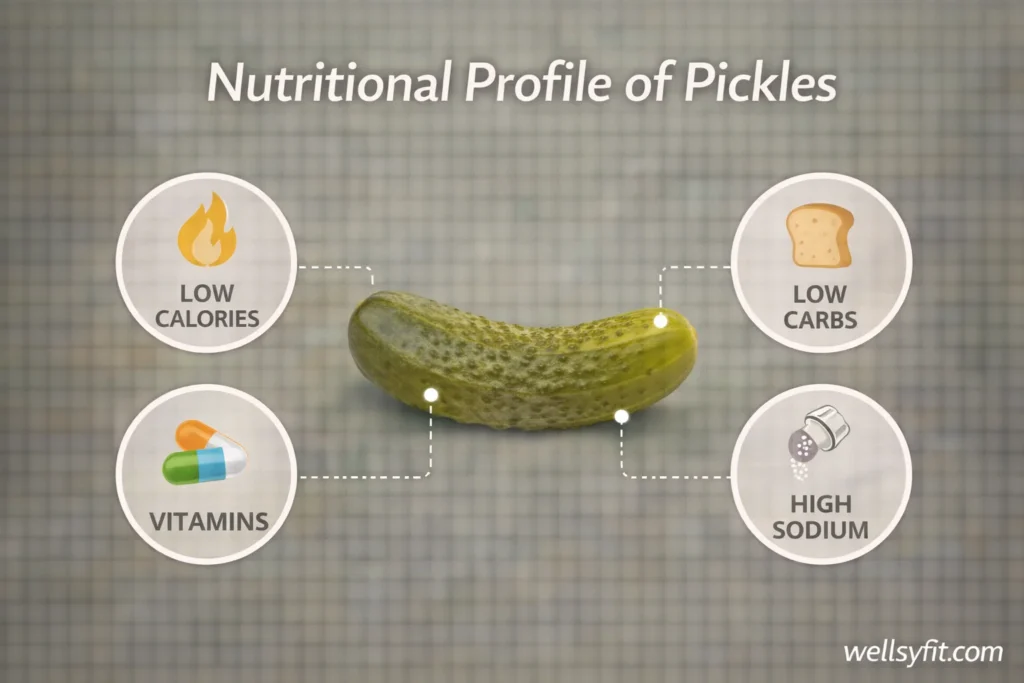
A typical dill pickle spear generally contains:
- Very few calories
- Less than 1 gram of carbohydrates
- Minimal fat and protein
- Small amounts of fiber
- Vitamins such as vitamin K and vitamin C
Because pickles are mostly water and cucumbers, they provide very little carbohydrate load. This is important for blood sugar management since carbohydrates are the nutrient that most directly affects glucose levels.
However, pickles are also known for their high sodium content, which is something diabetics should monitor carefully.
How Pickles Affect Blood Sugar
One reason people ask can diabetics eat pickles is because they want to know whether pickles will raise blood sugar levels.
In most cases, traditional pickles have very little effect on blood glucose. This is mainly due to three factors.
Low Carbohydrate Content
Pickles contain very small amounts of carbohydrates, which means they are unlikely to cause rapid spikes in blood sugar.
Foods that contain fewer carbohydrates typically have a lower impact on glucose levels compared to foods high in sugars or starches.
Low Glycemic Index
The glycemic index measures how quickly foods raise blood sugar. Pickles generally fall into the low glycemic index category because they contain minimal digestible carbohydrates.
Low glycemic foods are often recommended for people with diabetes because they help maintain more stable blood sugar levels.
Vinegar and Blood Sugar Response
Many pickles are made with vinegar, which contains acetic acid. Some research suggests that vinegar may help improve insulin sensitivity and slow the digestion of carbohydrates.
Because of this effect, vinegar based foods may help reduce post meal blood sugar spikes when eaten alongside carbohydrate rich foods.
Types of Pickles and Their Impact on Diabetes
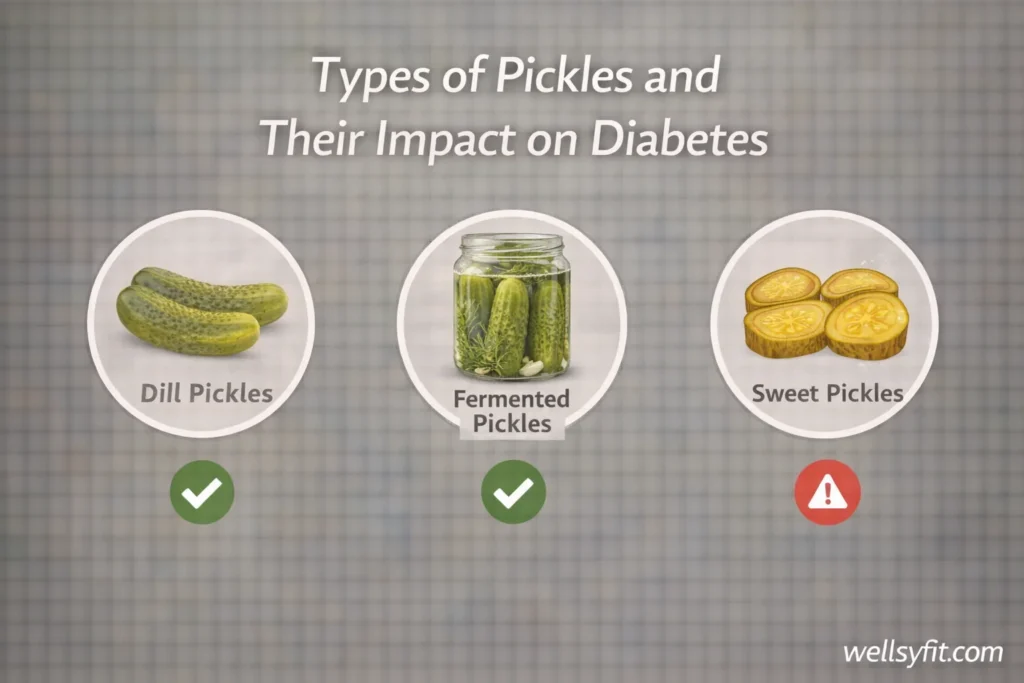
Not all pickles are the same. The ingredients used during the pickling process can significantly affect how suitable they are for people with diabetes.
Dill Pickles
Dill pickles are usually the best choice for people managing blood sugar.
They typically contain:
- Cucumbers
- Vinegar
- Salt
- Dill and spices
Because they rarely contain added sugars, dill pickles are generally low in carbohydrates and have minimal impact on blood glucose.
Fermented Pickles
Some pickles are naturally fermented instead of preserved with vinegar. These varieties may contain beneficial bacteria known as probiotics.
Probiotics support gut health and digestion, and emerging research suggests that gut health may play a role in metabolic health.
Fermented pickles are often found in refrigerated sections of grocery stores rather than shelf stable jars.
Sweet Pickles
Sweet pickles and bread and butter pickles are often made with added sugar or syrup. These varieties can contain significantly more carbohydrates.
For people with diabetes, sweet pickles should be consumed sparingly because the added sugars may contribute to higher blood sugar levels.
Health Benefits of Pickles for People with Diabetes
Although pickles are not typically considered a major source of nutrients, they do offer some benefits that may support a diabetes friendly diet.
Low Calorie Snack Option
Maintaining a healthy weight is an important part of diabetes management. Because pickles contain very few calories, they can be a satisfying snack without adding excess energy intake.
Flavor Without Carbohydrates
Pickles add strong flavor to meals without contributing significant carbohydrates. This can make healthy meals more enjoyable without increasing blood sugar impact.
Potential Digestive Benefits
Fermented pickles may contain probiotics that support digestive health. A balanced gut microbiome may help regulate inflammation and metabolism.
Source of Antioxidants
Cucumbers contain small amounts of antioxidants and plant compounds that help protect the body from oxidative stress.
Risks of Eating Pickles for Diabetics
Even though pickles can fit into a diabetes friendly diet, there are some potential risks that should be considered.
High Sodium Content
Pickles are often very high in sodium because they are preserved in salt brine.
High sodium intake can increase blood pressure, which is especially concerning for people with diabetes. Many individuals with diabetes already have a higher risk of heart disease and hypertension.
Some pickle servings can contain several hundred milligrams of sodium.
Choosing low sodium varieties or limiting portion size can help reduce this risk.
Added Sugars in Some Varieties
As mentioned earlier, certain pickles contain added sugars.
Examples include:
- Sweet pickles
- Bread and butter pickles
- Candied pickles
These varieties can contribute extra carbohydrates that may affect blood sugar control.
Potential Kidney Concerns
Diabetes can increase the risk of kidney disease. Because pickles contain large amounts of sodium, excessive consumption may put additional strain on kidney function.
People with kidney issues should consult a healthcare provider before consuming large amounts of high sodium foods.

Best Pickles for People with Diabetes
If you are wondering can diabetics eat pickles, choosing the right type makes a big difference.
The best options usually include:
- Dill pickles with no added sugar
- Naturally fermented pickles
- Low sodium pickle varieties
- Homemade pickles with controlled ingredients
Reading food labels can help you identify pickles that contain minimal sugar and lower sodium levels.
Tips for Including Pickles in a Diabetic Diet
Pickles can be incorporated into meals in healthy ways when eaten in moderation.
Here are a few simple tips.
Watch Portion Size
Even though pickles are low in carbohydrates, they are high in sodium. Limiting your portion to one or two pickle spears can help keep sodium intake under control.
Pair with Balanced Meals
Pickles work well as a side with meals that contain protein, healthy fats, and fiber. Balanced meals help maintain stable blood sugar levels.
Choose Low Sodium Products
Many brands now offer reduced sodium pickles that contain significantly less salt.
Consider Homemade Pickles
Making pickles at home allows you to control both the salt and sugar content.

Pickles vs Other Snacks for Diabetes
Pickles can be a good snack choice compared with many common processed foods.
For example, many packaged snacks contain refined carbohydrates and added sugars that can quickly raise blood sugar.
Pickles offer a crunchy texture and strong flavor without the same carbohydrate load.
However, they should not replace more nutrient dense snacks such as vegetables, nuts, seeds, or yogurt.
Instead, pickles work best as a flavorful addition to a balanced snack plate.
When Pickles May Not Be the Best Choice
While many people with diabetes can safely enjoy pickles, some situations require caution.
Pickles may not be ideal if you have:
- High blood pressure
- Kidney disease
- Sodium sensitive conditions
In these cases, limiting high sodium foods becomes even more important.
Always speak with a healthcare professional if you have questions about how certain foods affect your personal health condition.
Final Thoughts
So, can diabetics eat pickles? For most people with diabetes, the answer is yes.
Traditional dill pickles are low in carbohydrates and generally have minimal impact on blood sugar levels. They can be a flavorful snack or meal addition when eaten in moderation.
However, it is important to pay attention to sodium levels and avoid varieties that contain added sugar. Choosing dill or fermented pickles and controlling portion size can help ensure they remain a healthy part of a balanced diet.
As with any food, moderation and thoughtful choices are key. When combined with a nutritious eating pattern, pickles can be enjoyed without disrupting blood sugar control.
FAQs
Disclaimer: Content on WellsyFit is for informational purposes only and does not replace professional medical advice. Always consult a healthcare provider.