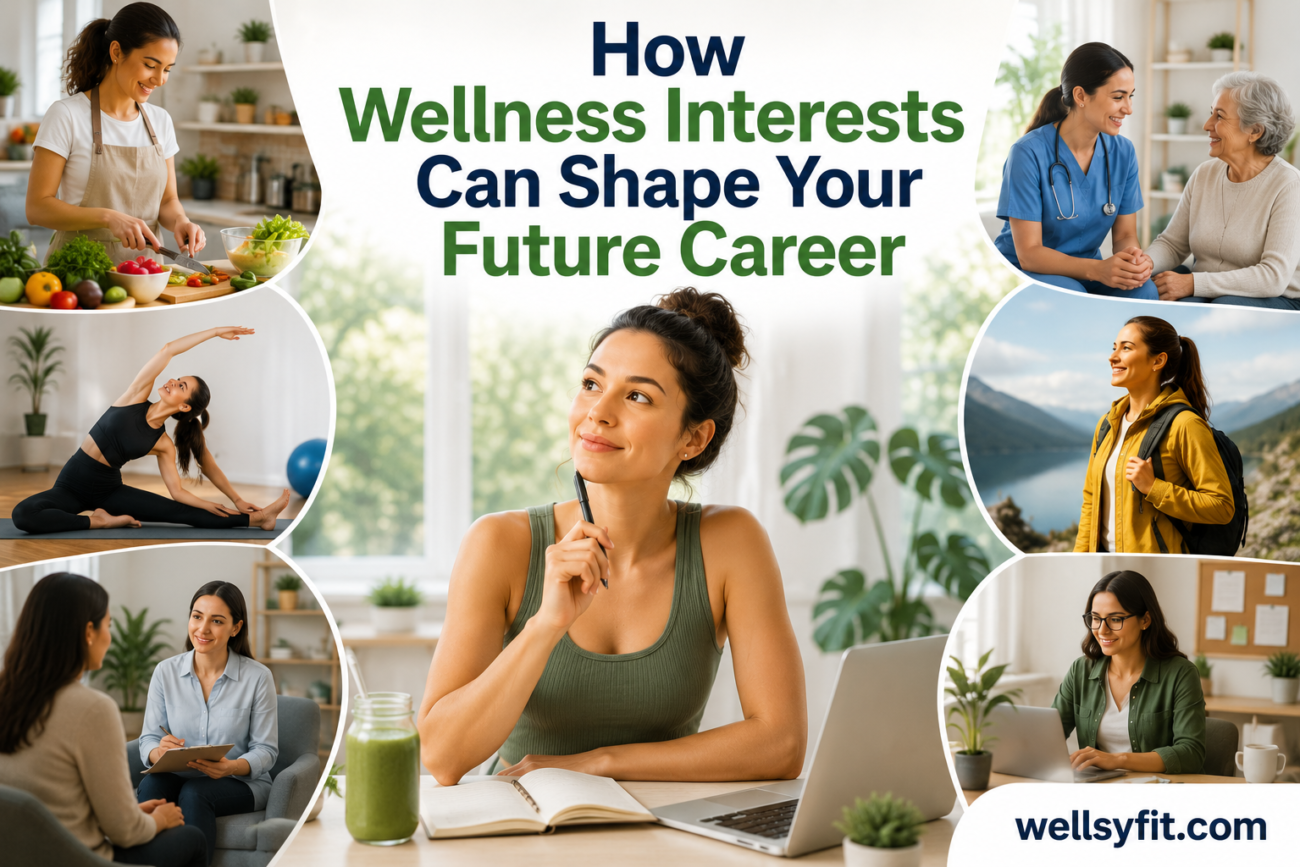
If you enjoy learning about healthy habits, stress, motivation, and why people do what they do, your interests might connect to more than a hobby. They could point you toward meaningful work. You do not need a perfect five-year plan or a magical clipboard of wisdom to start figuring it out. Sometimes a career path begins with paying attention to what keeps pulling you in. If wellness topics always grab your attention, that is worth exploring.
Why Wellness Work Matters
Wellness work matters because health is not only about steps, salads, and remembering where you left your water bottle. It is also about thoughts, habits, emotions, and daily choices. When you are interested in how mindset affects physical well-being, you may feel drawn to careers in health psychology. These roles often focus on how people manage stress, follow treatment plans, build healthier routines, and cope with change.
That kind of work can feel especially meaningful because it sits close to real life. People do not need help only in big dramatic moments. They often need support with ordinary things like sleep, motivation, anxiety, and behavior change. If you like the idea of helping people understand themselves while improving their health, this area can offer a strong sense of purpose without feeling disconnected from everyday life.
Start With Your Strengths
Before you picture job titles, it helps to look at your natural strengths. Are you the person friends come to when they need someone to really listen? Do you stay steady when others are stressed? Are you curious about why people make the choices they make, even when those choices seem confusing from the outside? Those small signs can tell you a lot.
This kind of path often suits people who enjoy both people and patterns. You may like noticing habits, asking thoughtful questions, and helping others feel understood. Patience matters too. Real change is usually slow. It is more turtle than rocket ship, and that is not a bad thing.
You do not need to be loud, perfect, or wildly outgoing. Quiet people can do very well here. What matters more is empathy, consistency, and a real interest in health and behavior. If that sounds like you, your strengths may already be pointing somewhere useful.
Where You Might Fit
A wellness-related path can show up in more places than you might expect. Some people work in schools, helping students manage stress, routines, or emotional challenges. Others are drawn to clinics, hospitals, or rehab settings where behavior and health often overlap. Community programs are another option, especially if you like hands-on support and meeting people where they are.
You might also fit into workplace wellness, where organizations try to support healthier habits, mental well-being, and better work-life balance. Some roles lean toward education and coaching. Others support research, program planning, or patient communication. There is no single mold.
That variety matters because not everyone wants the same kind of day. Maybe you want one-on-one conversations. Maybe you prefer group programs or behind-the-scenes planning. Think less about finding one perfect role and more about finding the setting that matches your energy, pace, and personality.
Education Without The Panic
Education can feel intimidating when you first look at career options, but it helps to remember that different roles need different levels of training. Some jobs require advanced degrees and licenses. Others focus more on support work, coordination, outreach, or education and may have more flexible entry points. It is not an all-or-nothing situation.
The main thing is not to panic and assume you must map your entire future by next Tuesday. You can start by exploring courses in psychology, health, communication, or human development. As you learn more, your direction usually gets clearer.
It also helps to talk with advisors, professionals, or instructors who know the field. They can explain what different paths really look like beyond the glossy brochure version. Career planning works better when you break it into steps. One class, one conversation, one experience at a time is plenty.
Skills You Can Build Now
You can start building useful skills long before you apply for any specific role. Communication is a big one. Practice explaining ideas clearly, listening without interrupting, and asking better questions. Those sound simple, but they are powerful. Good listeners are often more helpful than people with fancy words and zero patience.
Organization matters too. Many wellness-related roles involve notes, schedules, follow-ups, and keeping track of details. Time management helps you stay reliable when life gets busy. Empathy is another key skill, and yes, it can be strengthened. You build it by paying attention, staying open-minded, and trying not to jump to conclusions.
A few practical ways to start now:
- Volunteer in a people-focused setting
- Join a health or wellness club
- Practice public speaking in small ways
- Read basic mental and physical health content
- Notice your own habits and stress patterns
Tiny habits count. Big skills often start small.
Questions To Ask Yourself
If you are wondering whether this general direction fits you, ask yourself a few honest questions. Do you like helping people without needing instant results? Can you handle hearing about stress or struggle without taking everything home with you? Are you interested in how behavior connects to health, not just in theory but in real daily life?
It also helps to think about your preferred work style. Do you enjoy conversation-based work, or do you want a mix of people time and quieter tasks? Are you patient enough to support change that happens slowly? That part matters because human behavior can be wonderfully weird and stubborn.
You should also ask whether you enjoy learning. Fields connected to health and behavior keep evolving. If you like staying curious and improving over time, that is a good sign. You do not need every answer today. You just need enough self-awareness to keep moving in a smart direction.
Turning Interest Into Action
Once you see that your interests might connect to future work, the next step is to do something with that insight. Start simple. Read about different roles, follow professionals online, or talk to someone working in wellness, psychology, or community health. Real conversations often teach you more than a dozen generic job descriptions.
You can also look for volunteer opportunities, student groups, or part-time experiences that put you around people-focused work. Even small experiences help you test what feels energizing and what does not. Think of it as trying on shoes before buying them. Career decisions should fit, not just look nice from across the store.
Most of all, stay open. Your path may begin with a broad interest in wellness and slowly narrow into something more specific. That is normal. You do not have to force clarity too early. If you keep learning, paying attention, and taking practical steps, your future work can grow from what already interests you now.
Disclaimer: Content on WellsyFit is for informational purposes only and does not replace professional medical advice. Always consult a healthcare provider.