
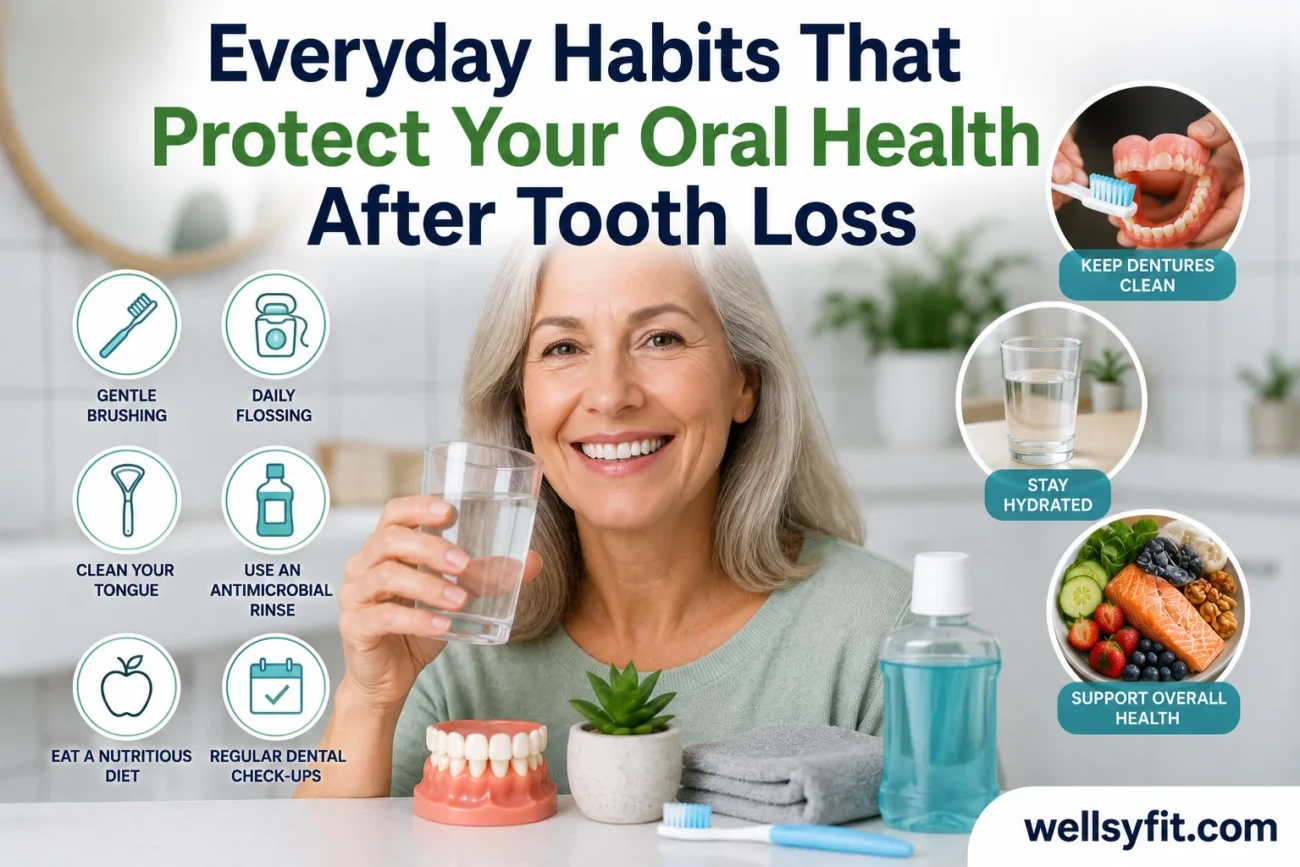
Losing a tooth changes more than the way your smile looks. Many people focus on replacing the missing tooth but pay less attention to the daily habits that affect their oral health afterward. Over time, simple routines can influence how comfortable your mouth feels, how well you chew, and how healthy your gums remain. Some changes happen gradually, which makes them easy to overlook until they start causing noticeable problems.
The good news is that most of these issues are connected to everyday choices that are within your control. Understanding what happens after tooth loss can help you protect your oral health, avoid unnecessary complications, and make better decisions about your long-term care. A few small adjustments in your routine can have a lasting impact on how your mouth functions for years to come.
How Tooth Loss Continues to Affect Your Mouth Over Time
Many people assume that once missing teeth have been replaced with dentures, the major challenges of tooth loss are behind them. In reality, the mouth continues to change for years after teeth are lost. The gums, jawbone, and bite can gradually shift, which may affect comfort, chewing ability, and overall oral health.
These changes often happen slowly. Dentures that once felt secure may begin to feel less stable, certain foods may become harder to eat, and some people find themselves relying more on adhesives or avoiding particular meals altogether. The underlying jawbone can also change over time because it no longer receives the stimulation that natural tooth roots once provided. Understanding these long-term effects helps explain why daily oral care remains important. It also helps explain why some people eventually begin exploring options such as switching from dentures to dental implants as their needs and goals evolve.
Everyday Food Choices Shape Oral Health
Food plays a major role in oral health after tooth loss. Many people naturally change their eating habits when chewing becomes less comfortable. Softer foods often become the preferred option because they require less effort. While this adjustment can make meals easier, it sometimes leads to a diet that lacks important nutrients.
A healthy mouth depends on nutrients that support gum tissue and overall health. Frequent consumption of sugary snacks and processed foods can also encourage plaque buildup around remaining teeth and along the gumline. Paying attention to food texture matters as well. Extremely hard foods may place extra strain on certain teeth, while sticky foods can cling to areas that are already difficult to clean. Choosing a balanced variety of foods helps support both oral health and everyday comfort.
The Habit of Chewing on One Side
After losing a tooth, many people unconsciously begin chewing on one side of their mouth. It often feels easier and more comfortable, especially if the missing tooth creates a sensitive area. While this habit may seem harmless, it can create uneven pressure over time.
The side doing most of the work experiences more wear and stress during meals. Jaw muscles on that side may become tighter, while the opposite side receives less stimulation. Some people eventually notice soreness, fatigue when chewing, or discomfort near the jaw joint. Paying attention to how you chew can help prevent these issues from developing. If chewing feels difficult because of missing teeth, discussing the problem with a dental professional is often more helpful than adapting to an uneven chewing pattern for years.
Why Dry Mouth Deserves More Attention
Many adults experience dry mouth without realizing how much it can affect oral health. Certain medications, health conditions, and natural aging can reduce saliva production. Saliva performs an important job because it helps wash away food particles and supports a healthier oral environment throughout the day.
When saliva levels drop, the mouth may feel sticky or uncomfortable. Some people notice bad breath more often or feel the need to sip water constantly. Dry mouth can also make gums and oral tissues more vulnerable to irritation. After tooth loss, maintaining healthy oral tissues becomes especially important because those tissues continue supporting chewing, speaking, and any dental restorations you may have. Drinking water regularly, limiting dehydrating beverages, and discussing persistent dryness with a dental professional can help address the problem before it affects daily comfort.
Smoking Can Slow Your Mouth Down
Smoking affects the mouth in ways many people do not notice right away. It can reduce blood flow to the gums, which makes it harder for tissues to stay healthy and heal well. After tooth loss, that matters because the gums and jaw still need strong support. Tobacco use can also make the mouth drier and increase the chance of gum irritation. People who smoke may notice sore spots from dentures taking longer to settle. Quitting can feel difficult, but even cutting back and speaking with a dentist or doctor about support can make oral care easier. A healthier mouth often responds better to treatment and daily cleaning.
Small Habits Make Care Easier
Daily oral health after tooth loss becomes easier when the routine feels simple enough to repeat. Rinse after meals if food collects around empty spaces or under an appliance. Brush remaining teeth carefully, and clean the gums and tongue with gentle pressure. If you wear dentures, remove and clean them as directed instead of sleeping in them unless your dentist gives different instructions. Store them properly so they do not dry out or warp. Drink water throughout the day, especially if your mouth feels dry. Pay attention to small changes, such as new soreness, bad breath, bleeding, or trouble chewing. These signs often appear before a bigger issue develops. Acting early helps protect comfort and oral health.
Life after tooth loss becomes easier when people understand how much daily habits matter. Food choices, chewing patterns, oral hygiene, dry mouth, smoking, and dental visits all play a role in long-term comfort. None of these habits need to be complicated, but they do need attention. A missing tooth should never make someone feel as if discomfort is normal. The mouth keeps changing after tooth loss, and regular care helps people stay ahead of those changes. Small steps can protect the gums, support remaining teeth, and make eating and speaking feel more natural. When something feels off, a dental professional can help find the cause and guide the next step.
Disclaimer: Content on WellsyFit is for informational purposes only and does not replace professional medical advice. Always consult a healthcare provider.