
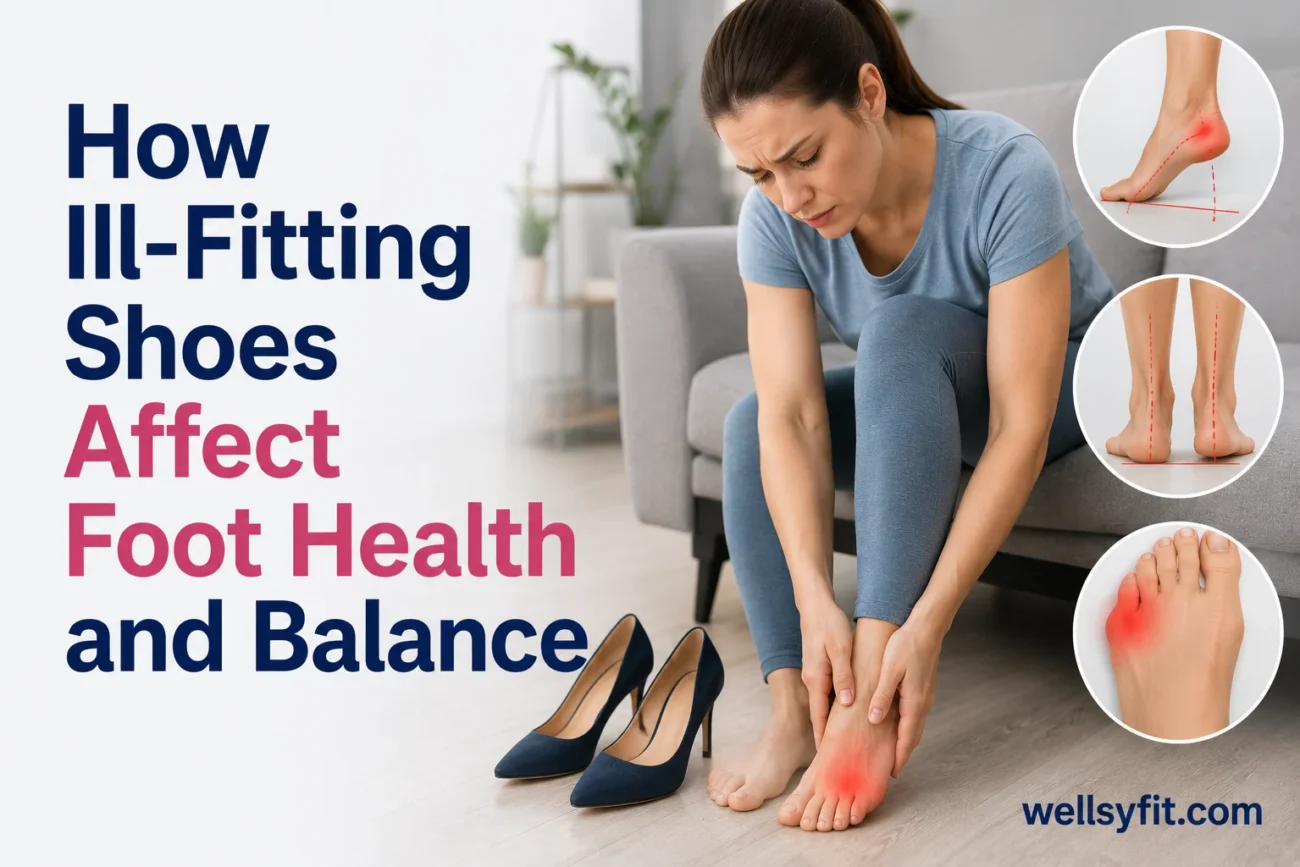
Shoes represent much more than a simple style or basic comfort choice. They play an important role in how the feet absorb pressure, how the body maintains balance, and how comfortable walking feels throughout the day. Unfortunately, many men ignore their shoe fit until they actively notice pain, swelling, rubbing, or physical instability. Wearing tight, narrow, loose, or unsupportive shoes can negatively affect your daily movement and may make existing foot issues feel noticeably worse. Keep in mind that ongoing pain, sudden swelling, numbness, open wounds, or diabetes-related foot concerns should always be discussed directly with a qualified healthcare professional.
Why Shoe Fit Matters for Overall Foot Health
Your feet carry your body weight and absorb impact with every step. A properly fitted shoe helps distribute pressure more evenly, supports natural walking mechanics, and reduces unnecessary strain. Poor fit, on the other hand, can create pressure points, friction, and instability. Discomfort may begin in the feet, but it can also alter walking patterns over time, affecting the toes, arches, heels, ankles, knees, hips, or lower back. Proper fit supports comfort, stability, and confidence when walking.
Common Signs Your Shoes Do Not Fit Properly
Understanding the practical warning signs of improper fit can help you identify whether your shoes may be causing discomfort.
Pay attention to the following indicators:
- Red marks after wearing shoes
- Blisters or rubbing
- Numbness or tingling
- Toe crowding
- Pressure across the ball of the foot
- Heel slipping
- Calluses or corns
- Pain that gets worse after standing or walking
- Shoes feeling tighter later in the day
- Toes touching the front or sides of the shoe
One sign alone may not always mean the shoe is wrong, but repeated discomfort is a strong reason to reassess fit, width, and support.
Why Shoe Width Matters for Men with Foot Pain or Swelling
Shoe fit is not only about length. Many men buy a larger size when the real issue is width or depth. A shoe can be long enough but still too narrow across the forefoot, toes, or sides of the foot. Men with wide feet, swelling, bunions, hammertoes, orthotics, or sensitive feet may need extra room across the shoe rather than extra length.
For some men, the problem is not that the shoe is too short, but that the shoe is too narrow. Going up half a size may add length, but it can still leave pressure across the sides of the foot while making the heel less secure. For men dealing with wide feet, swelling, bunions, hammertoes, or orthotics, extra-wide options such as 6E size shoes may provide more room across the forefoot and reduce the cramped feeling that can make walking uncomfortable. Proper width can help reduce rubbing, toe compression, side pressure, and discomfort during daily walking.
How Tight Shoes Can Lead to Foot Pain and Pressure
Tight shoes can squeeze the toes, rub the skin, and increase pressure on sensitive areas of the foot:
- Narrow toe boxes can noticeably crowd the toes.
- Tight shoes can cause rubbing, blisters, and red marks.
- This pressure feels worse after walking or standing for long periods.
- Tight footwear may immediately irritate bunions, hammertoes, calluses, or swollen areas.
- Shoes should always feel secure but not restrictive.
Shoes should not need a long “breaking-in” period if they cause pain right away; a proper fit is comfortable immediately out of the box.
How Loose or Unsupportive Shoes Can Affect Balance
Shoes that are too loose can also create daily problems. If the foot slides inside the shoe, the person may automatically grip with their toes or change their walking pattern to feel stable:
- Heel slipping can reduce walking confidence.
- Loose shoes can increase the risk of rubbing and painful blisters.
- Poor support may make stairs, uneven ground, or longer walks feel less stable.
- Unsupportive soles may contribute to foot fatigue, especially during longer periods of standing or walking.
A shoe should securely hold the foot without squeezing it. A good fit strongly helps the foot maintain steady balance from heel to toe.
Foot Conditions That Can Be Made Worse by Poor Shoe Fit
Shoes do not cause every foot problem, but poor footwear can make many existing issues more uncomfortable:
- Bunions
- Hammertoes
- Plantar fasciitis
- Ingrown toenails
- Calluses and corns
- Swelling
- Diabetes-related sensitivity
- Neuropathy-related pressure concerns
- Orthotic needs
Poorly fitting shoes may contribute to these issues or make existing discomfort worse. Restrictive footwear can increase pressure across tender areas, while loose or unstable footwear may add friction and reduce walking confidence. While shoes do not treat or cure medical conditions, a better fit can help reduce repeated irritation from friction, pressure, and crowding.
Features to Look for in Healthier Everyday Shoes
Use this highly practical shoe-selection checklist when carefully evaluating everyday footwear for yourself.
Prioritizing these specific details establishes a stronger supportive base:
- Wide or extra-wide sizing options
- Deep toe box
- Soft or stretchable uppers
- Removable insoles
- Room for orthotics
- Stable heel counter
- Supportive midsole
- Cushioned but not overly unstable sole
- Adjustable closures such as laces, straps, or hook-and-loop fasteners
- Non-slip outsole
By reviewing these structural components, you ensure optimal physical support. The required features for healthier shoes entirely depend on the individual person’s unique foot shape, daily activity level, and existing foot concerns.
Along with choosing shoes with the right fit and support, the socks worn with them can also influence everyday comfort. Socks that feel soft, breathable, and comfortable against the skin may help reduce irritation caused by friction during walking and standing. For some individuals, options such as 100% natural cotton socks can provide a comfortable layer between the foot and footwear, especially when paired with properly fitting shoes. However, socks should complement a good shoe fit rather than replace the need for adequate width, support, and room for natural foot movement.
Simple Ways to Check Shoe Fit at Home
Follow these simple ways to practically check shoe fit directly at home:
- Measure both feet, because one foot may be larger.
- Try shoes later in the day when feet may be slightly swollen.
- Wear the socks normally used with that shoe.
- Check that the toes can move comfortably.
- Make sure the widest part of the foot lines up with the widest part of the shoe.
- Walk around before deciding.
- Check for red marks or pressure after wearing.
- Make sure the heel feels secure without slipping.
If shoes feel painful immediately at home, they are unlikely to become healthy everyday shoes later.
When to Speak with a Foot Health Professional
Shoe changes can help with comfort, but professional advice is important when symptoms are persistent, severe, or linked to a medical condition. Speak with a healthcare professional if you have:
- Sudden swelling
- One-sided swelling
- Worsening pain
- Numbness or tingling
- Open wounds
- Diabetes-related foot concerns
- Foot shape changes
- Pain that does not improve
Next Step
Ill-fitting shoes can affect more than comfort. They influence foot pressure, balance, walking confidence, and daily mobility. Check whether your shoes offer the right length, width, depth, heel stability, and support. Men with foot pain or swelling should not ignore width, because a better-fitting shoe makes everyday walking feel more comfortable and less restrictive.
Disclaimer: Content on WellsyFit is for informational purposes only and does not replace professional medical advice. Always consult a healthcare provider.