
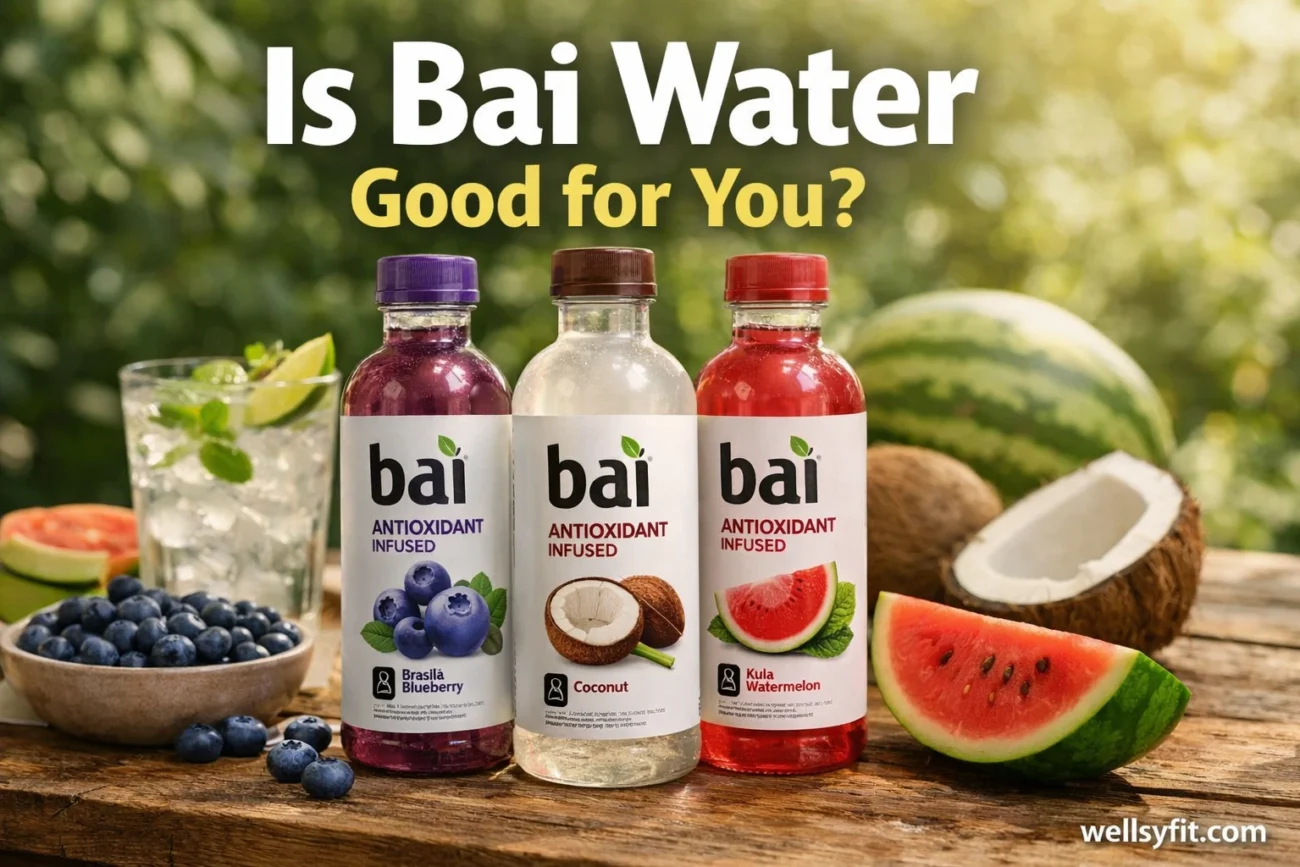
Flavored beverages have become a popular alternative to sugary sodas, and Bai water is one of the most recognizable brands in this category. Marketed as a low calorie antioxidant infused drink, Bai offers sweet fruit flavors without the high sugar content found in many soft drinks.
But many people still ask an important question: is Bai water good for you?
The answer is somewhat balanced. Bai water can be a better option than sugary beverages because it contains very little sugar and few calories. However, it also includes sweeteners, caffeine from coffee fruit, and additives that some people may prefer to limit.
Understanding what Bai water contains and how it affects your body can help you decide whether it fits into a healthy lifestyle.
Nutritional Profile of Bai Water
One of the main reasons Bai gained popularity is its low calorie nutritional profile.
While exact numbers vary by flavor, a typical bottle contains roughly:
| Nutrient | Amount |
|---|---|
| Calories | about 5 to 10 |
| Sugar | around 1 gram |
| Caffeine | about 50 to 55 mg |
| Carbohydrates | about 2 to 3 grams |
| Vitamin C | about 15% daily value |
Compared with many sweetened beverages, this is a very small amount of sugar and calories.
For comparison:
- A typical soda may contain 35 to 40 grams of sugar
- A sports drink may contain 20 grams of sugar or more
Because Bai water keeps sugar levels extremely low, many people use it as a substitute for sugary drinks.
However, low sugar does not automatically mean a beverage is completely healthy. The full ingredient list also matters.
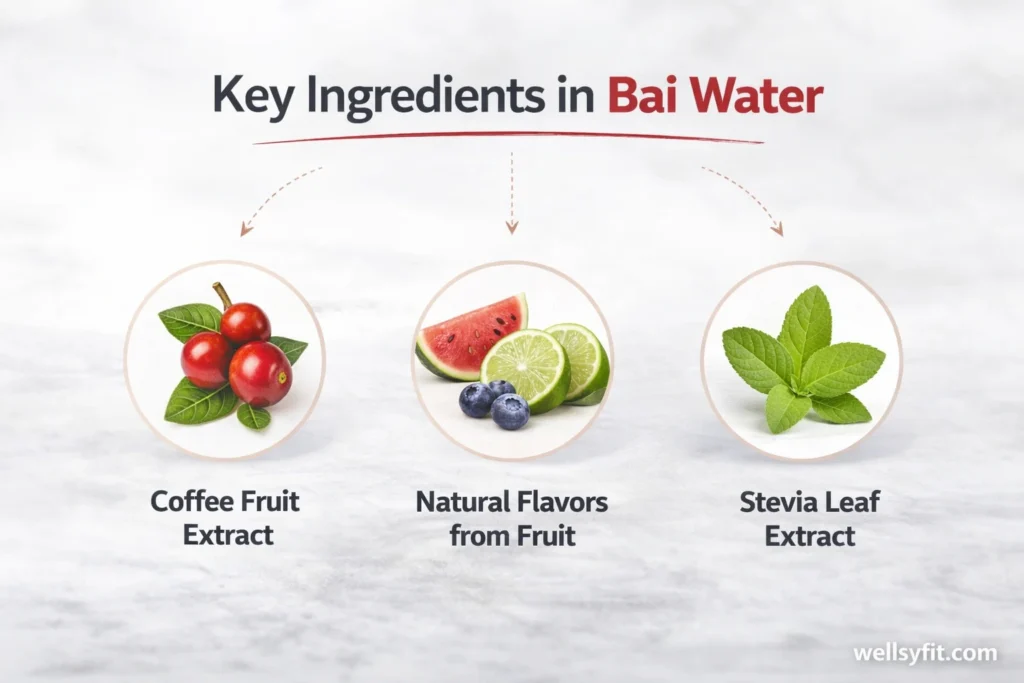
Key Ingredients in Bai Water
To understand whether Bai water is good for you, it helps to examine the ingredients that give the drink its flavor and functionality.
Filtered Water
The base of Bai drinks is filtered water, which makes up the majority of the beverage.
Hydration plays a crucial role in many body functions including:
- temperature regulation
- digestion
- circulation
- nutrient transport
Because Bai is mostly water, it can contribute to daily fluid intake.
Coffee Fruit Extract
One of the most unique ingredients in Bai drinks is coffee fruit extract.
Coffee fruit is the outer layer that surrounds the coffee bean. Instead of discarding this fruit during coffee production, Bai uses it as a source of antioxidants.
Coffee fruit contains plant compounds called polyphenols, which may help:
- protect cells from oxidative stress
- support brain health
- reduce inflammation
Coffee fruit extract also contributes a small amount of natural caffeine.
Tea Extract
Many Bai drinks also include tea extract.
Tea naturally contains antioxidants and polyphenols that may help support overall health.
These compounds have been studied for potential benefits related to:
- cardiovascular health
- metabolic function
- antioxidant protection
The amounts in Bai drinks are relatively small but still contribute to the beverage’s antioxidant profile.
Vitamin C
Bai beverages typically provide around 15 percent of the daily recommended intake of vitamin C.
Vitamin C plays several important roles in the body, including:
- supporting immune function
- protecting cells from damage
- helping with tissue repair
- assisting collagen production
This added vitamin contributes to the drink’s antioxidant content.
Sweeteners: Stevia and Erythritol
Instead of traditional sugar, Bai uses a blend of sweeteners to create its flavor.
The most common sweeteners include:
- Stevia leaf extract
- Erythritol
Stevia is a plant based sweetener that is many times sweeter than sugar but contains no calories.
Erythritol is a sugar alcohol that provides sweetness with minimal impact on blood sugar levels.
Using these sweeteners allows Bai to maintain a sweet taste while keeping calorie levels very low.
However, sugar alcohols like erythritol may cause digestive discomfort in some individuals when consumed in larger amounts.
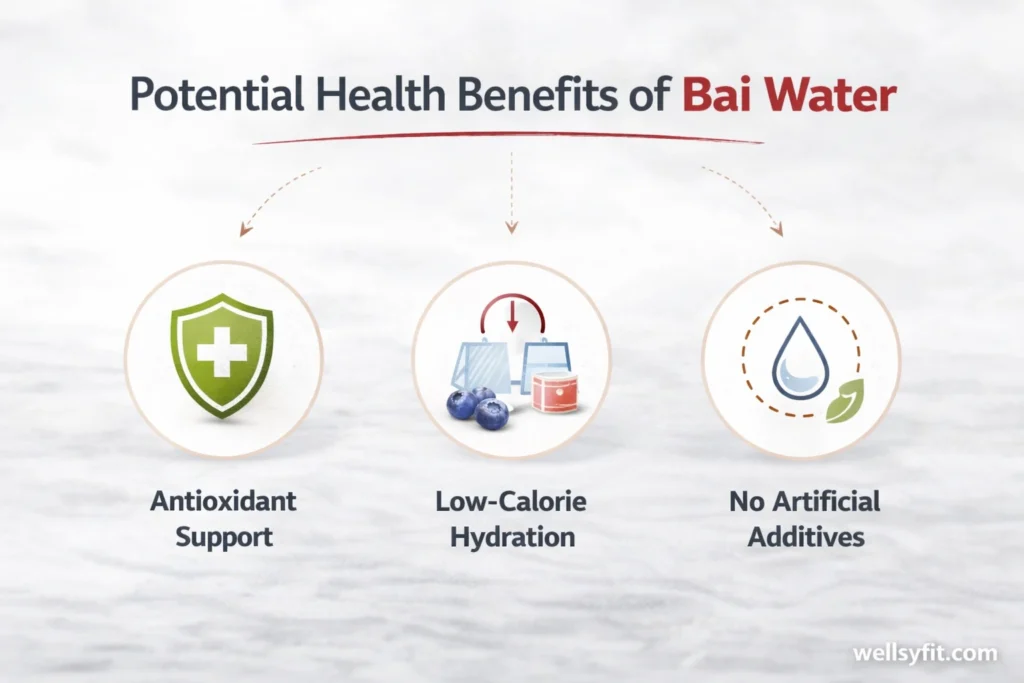
Potential Health Benefits of Bai Water
Although Bai water is not a nutritional powerhouse, it does offer some potential benefits compared with other flavored drinks.
Lower Sugar Than Soda
One of the most significant advantages of Bai water is its extremely low sugar content.
Reducing sugar intake may help lower the risk of several health issues such as:
- weight gain
- type 2 diabetes
- heart disease
- tooth decay
Replacing high sugar beverages with lower sugar alternatives can be a positive dietary change.
Low Calorie Beverage Option
Because Bai drinks contain fewer than 10 calories in many cases, they can fit easily into calorie controlled diets.
People trying to reduce calorie intake may find Bai helpful when replacing sugary beverages that contain far more calories.
Antioxidant Compounds
The inclusion of coffee fruit extract and tea extract provides plant based antioxidants.
Antioxidants help neutralize free radicals in the body, which are unstable molecules that can contribute to cell damage.
Although Bai is not the richest source of antioxidants, these compounds may still provide some protective benefits.
Hydration Support
Since Bai is mostly water, it can help contribute to overall hydration.
Staying hydrated supports many aspects of health including:
- cognitive performance
- energy levels
- digestion
- physical performance
While plain water remains the best hydration option, flavored beverages like Bai can make fluid intake more appealing for some people.
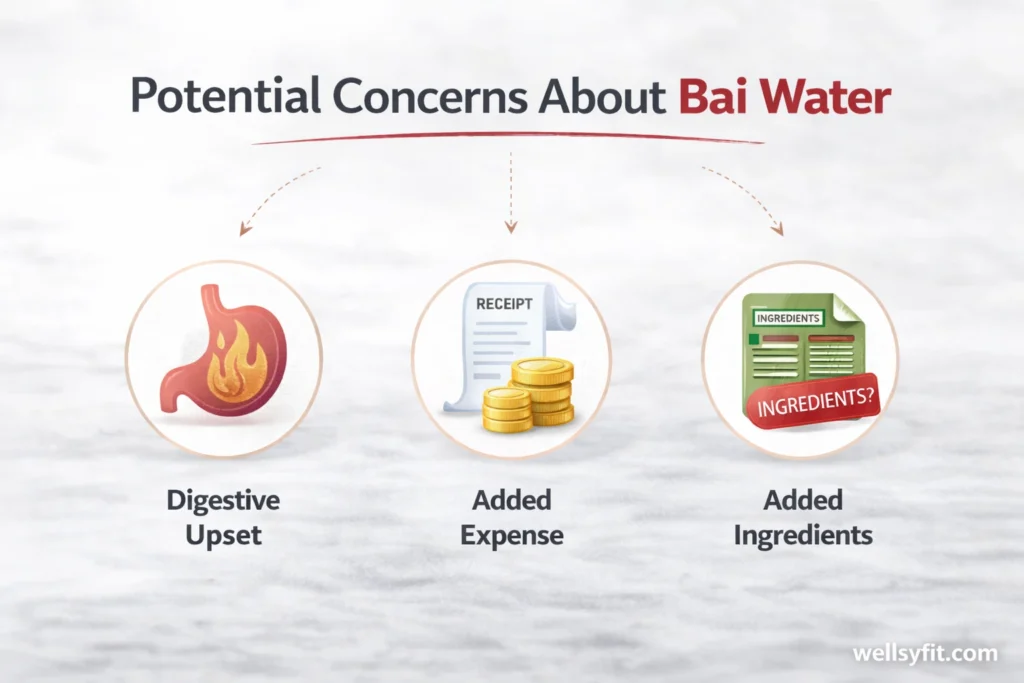
Potential Concerns About Bai Water
Despite its advantages, Bai water also has some aspects that may concern certain consumers.
Artificial or Non Nutritive Sweeteners
Although stevia and erythritol are widely used sweeteners, they may not be ideal for everyone.
Possible concerns include:
- digestive discomfort from sugar alcohols
- potential gut microbiome effects
- sensitivity to artificial sweeteners
Most people tolerate these ingredients well in moderate amounts, but individual responses vary.
Caffeine Content
Because Bai contains coffee fruit extract and tea extract, it also contains caffeine.
A typical bottle contains around 50 to 55 milligrams of caffeine.
This amount is smaller than a cup of coffee but still noticeable.
People sensitive to caffeine may experience effects such as:
- nervousness
- increased heart rate
- sleep disruption
Children and individuals who avoid caffeine should pay attention to this ingredient.
Citric Acid Sensitivity
Citric acid is commonly used in beverages to provide tartness and help preserve flavor.
Although generally considered safe, some individuals may experience irritation or digestive discomfort when consuming products with citric acid.
This is relatively uncommon but possible.
Natural Flavors
Many beverages list natural flavors among their ingredients.
This term refers to flavor compounds derived from natural sources, but the exact composition is often not disclosed.
While natural flavors are approved for food use, some consumers prefer beverages with simpler ingredient lists.
Plastic Packaging
Another issue sometimes discussed is the use of plastic bottles.
Plastic packaging can contribute to environmental concerns and may allow small amounts of chemicals to migrate into beverages under certain conditions.
This is a broader issue across the beverage industry rather than something unique to Bai.
Is Bai Water Better Than Soda?
Compared with traditional soda, Bai water is generally a healthier option.
Soda often contains:
- high sugar levels
- large calorie amounts
- no nutritional value
Bai drinks contain:
- very low sugar
- minimal calories
- added antioxidants and vitamin C
For individuals trying to reduce sugar consumption, replacing soda with Bai may be a step in a healthier direction.
However, plain water is still the most beneficial beverage for daily hydration.
Who May Benefit Most From Bai Water
Certain individuals may find Bai water useful in their beverage choices.
Examples include:
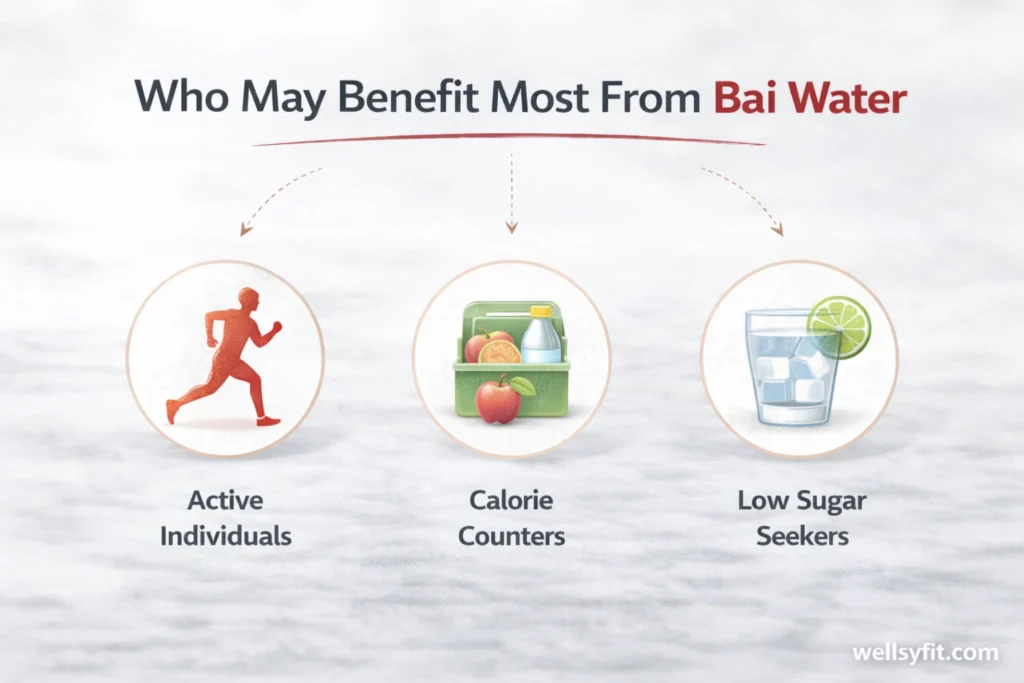
People Reducing Sugar Intake
Those trying to limit sugar may enjoy Bai as a lower sugar alternative to soda or sweetened juices.
Individuals Seeking Flavored Hydration
Some people struggle to drink enough water. Flavored beverages like Bai can make hydration more appealing.
Those Looking for Low Calorie Drinks
Because Bai contains very few calories, it may fit well into calorie controlled diets.
Who Should Limit Bai Water
Some individuals should be cautious about consuming Bai drinks regularly.
These include:
Children
Because Bai contains caffeine, it may not be suitable for children.
People Sensitive to Caffeine
Even moderate amounts of caffeine can cause discomfort for some individuals.
People Sensitive to Sugar Alcohols
Those who experience digestive issues from erythritol or similar sweeteners may want to limit Bai drinks.
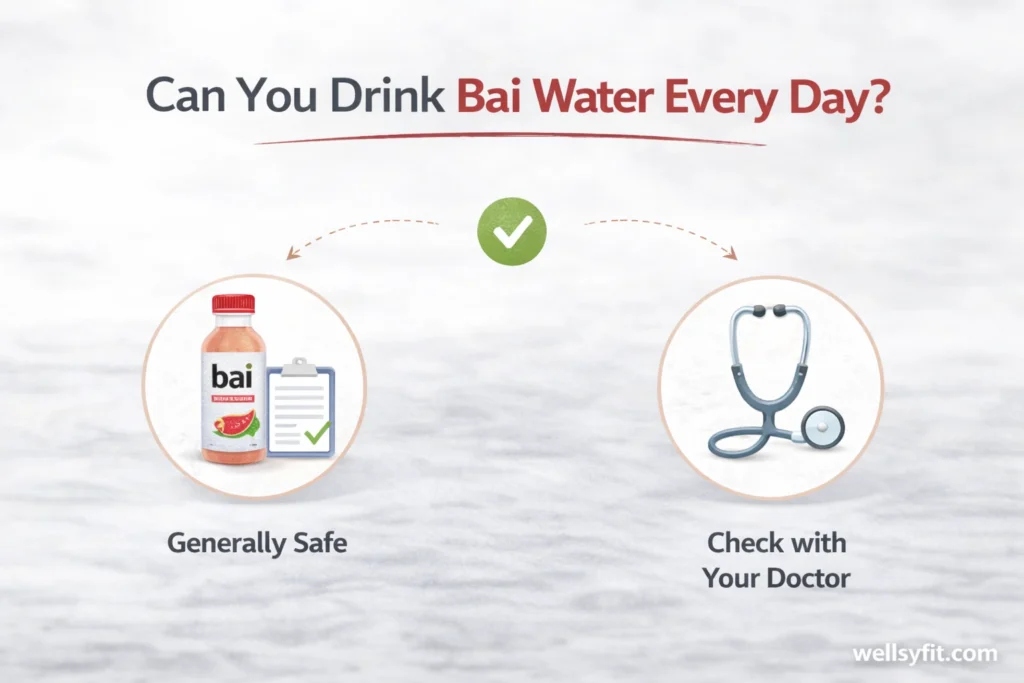
Can You Drink Bai Water Every Day?
For most healthy adults, drinking Bai occasionally is unlikely to cause harm.
However, it should not replace plain water as the main source of hydration.
Moderation is key. Drinking Bai occasionally as a flavored beverage is generally reasonable, but relying heavily on flavored drinks instead of water may not support optimal hydration habits.
A balanced approach that prioritizes water while occasionally enjoying beverages like Bai is usually the best strategy.
Final Verdict: Is Bai Water Good for You?
So, is Bai water good for you?
Bai water can be a healthier alternative to sugary drinks because it contains very little sugar and few calories. It also provides antioxidants and vitamin C from plant based ingredients.
However, it is not a perfect health drink. The presence of caffeine, sweeteners, and additives means it should be consumed in moderation.
For most people, Bai water can fit into a balanced lifestyle as an occasional beverage. But plain water, whole foods, and nutrient rich drinks remain the best foundation for overall health.
FAQs
Disclaimer: Content on WellsyFit is for informational purposes only and does not replace professional medical advice. Always consult a healthcare provider.