

Electrolyte drinks have become extremely popular among athletes, fitness enthusiasts, and people following low-carb diets. One product that often appears in hydration discussions is LMNT. Many people ask a simple question before trying it: is LMNT good for you?
The short answer is that LMNT can be beneficial for certain people, particularly those who lose a lot of electrolytes through sweat or follow diets that reduce sodium intake. However, it is not necessary for everyone and may even be excessive for some individuals.
Understanding what LMNT contains, how electrolytes affect hydration, and who actually needs additional sodium will help you decide if it fits your lifestyle.
What Is LMNT?
LMNT is a powdered electrolyte drink mix designed to support hydration and replace minerals lost through sweat. Each packet is typically mixed with water to create a drink that replenishes key electrolytes.
Unlike many sports drinks, LMNT focuses on electrolytes without sugar or carbohydrates. The formula contains only a few ingredients, which is part of its appeal for people trying to avoid artificial additives or high sugar intake.
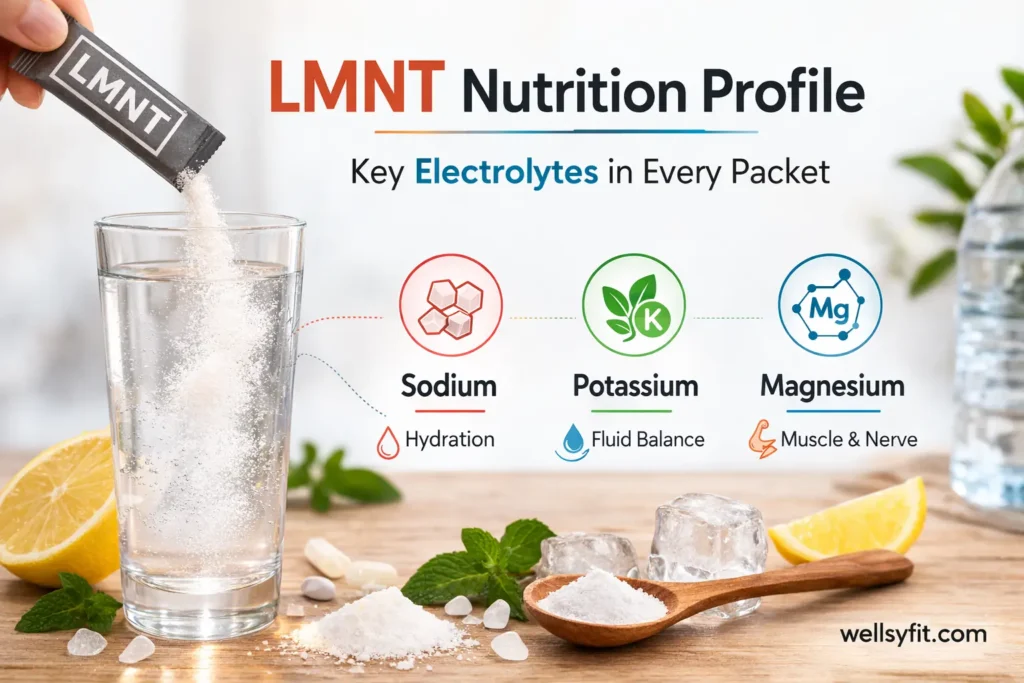
A standard packet generally includes three main electrolytes:
- Sodium
- Potassium
- Magnesium
These minerals help regulate fluid balance, nerve signaling, and muscle function in the body.
LMNT is often marketed toward athletes, people exercising in hot climates, or those following ketogenic or low-carbohydrate diets.
LMNT Nutrition Profile
A typical LMNT packet has a simple nutritional structure designed to deliver electrolytes rather than calories.
Typical Electrolyte Content per Packet
| Nutrient | Approximate Amount |
|---|---|
| Sodium | 1000 mg |
| Potassium | 200 mg |
| Magnesium | 60 mg |
| Sugar | 0 g |
| Calories | 5–10 |
The sodium level is the most notable feature. Compared with many electrolyte drinks that contain a few hundred milligrams of sodium, LMNT contains about 1000 milligrams per serving.
This high sodium content is intended to help replenish salt lost during heavy sweating or intense exercise.
Why Electrolytes Matter for Hydration
To understand is LMNT good for you, it helps to first understand the role of electrolytes.
Electrolytes are minerals that carry electrical charges and help maintain essential body functions. They regulate hydration, support muscle contractions, and help the nervous system function properly.
When you sweat, you lose several important minerals, including:
- Sodium
- Potassium
- Magnesium
- Chloride
If these minerals are not replaced, you may experience symptoms such as:
- Fatigue
- Muscle cramps
- Headaches
- Dizziness
- Reduced athletic performance
Electrolyte drinks aim to restore these minerals quickly, particularly after intense physical activity.
Potential Benefits of LMNT
LMNT may provide several benefits depending on a person’s lifestyle, activity level, and diet.
Improved Hydration
Sodium plays a major role in fluid balance. It helps the body retain water rather than quickly flushing it out through urine.
When combined with water, electrolytes help the body absorb fluids more efficiently. This can improve hydration during intense workouts, endurance sports, or hot weather conditions.
People who sweat heavily may benefit from higher sodium intake to prevent dehydration.
Support for Athletic Performance
Athletes often lose large amounts of electrolytes through sweat during prolonged exercise.
Replacing those electrolytes may help:
- Maintain endurance
- Reduce muscle cramps
- Prevent dehydration
- Improve recovery
Because LMNT contains a large amount of sodium, it can help replenish these losses more quickly than lower-sodium electrolyte drinks.
Sugar-Free Hydration
Many sports drinks contain significant amounts of sugar to provide quick energy. While this can be helpful during long endurance activities, it may not be necessary for everyday hydration.
LMNT is designed to be sugar-free, which appeals to people who want hydration without extra calories or carbohydrates.
This can be particularly useful for individuals following:
- Keto diets
- Low-carbohydrate diets
- Intermittent fasting
- Whole-food nutrition plans
Support for Low-Carb or Keto Diets
People following ketogenic diets often experience increased electrolyte loss. Lower insulin levels can cause the body to excrete more sodium through urine.
This is why many individuals on low-carb diets experience symptoms known as the “keto flu,” which can include fatigue, headaches, and dizziness.
Electrolyte drinks like LMNT may help reduce these symptoms by replenishing lost sodium and other minerals.
Convenient Electrolyte Replacement
LMNT packets are portable and easy to mix with water. This makes them convenient for:
- Gym sessions
- Long runs
- Hiking
- Outdoor work
- Travel in hot climates
Instead of preparing electrolyte drinks manually, users can simply mix a packet with water.
Possible Downsides of LMNT
While LMNT may benefit certain individuals, it also has potential drawbacks.
High Sodium Content
The biggest concern associated with LMNT is its sodium level.
Health guidelines often recommend limiting daily sodium intake to reduce the risk of high blood pressure and cardiovascular disease.
Since one packet contains around 1000 milligrams of sodium, it can contribute a large portion of the recommended daily limit.
For people who already consume a high-sodium diet, adding LMNT could increase sodium intake beyond healthy levels.
Not Necessary for Most People
Many individuals already get enough electrolytes from food.
Common foods that naturally contain electrolytes include:
- Fruits
- Vegetables
- Dairy products
- Whole grains
- Salt used in cooking
If you are not sweating heavily or exercising intensely, your body may not require additional electrolyte supplementation.
Potential Blood Pressure Concerns
Some people are sensitive to sodium intake. Higher sodium levels can increase blood pressure in certain individuals.
People with conditions such as hypertension or kidney disease should consult a healthcare professional before adding high-sodium supplements to their diet.
Strong Taste
Because LMNT contains a large amount of sodium, the drink can taste noticeably salty. Some users find the flavor difficult to tolerate unless diluted with more water.
Taste preferences vary widely, so some individuals enjoy the flavor while others do not.
Who Might Benefit Most from LMNT?
LMNT may be most useful for individuals with higher electrolyte needs.
Athletes and Endurance Runners
Long workouts or endurance events can cause significant electrolyte loss through sweat. Replacing these minerals may help maintain hydration and performance.
People Exercising in Hot Climates
Hot environments increase sweat production. Electrolyte drinks may help restore sodium and prevent dehydration.
Heavy Sweaters
Some individuals naturally lose more sodium through sweat than others. Visible salt marks on clothing after exercise may indicate higher sodium loss.
Low-Carb or Keto Diet Followers
Low carbohydrate diets can increase electrolyte loss, making supplementation beneficial in some cases.
Outdoor Workers
Construction workers, landscapers, and others who perform physical labor in hot conditions may benefit from electrolyte replacement.
Who Should Be Cautious with LMNT?
Although LMNT may help certain groups, it may not be appropriate for everyone.
People who should be cautious include:
- Individuals with high blood pressure
- Those with kidney disease
- People who consume high amounts of processed foods
- Individuals who are sedentary or lightly active
In these situations, the additional sodium may provide little benefit and could increase health risks.

LMNT vs Traditional Sports Drinks
Understanding how LMNT compares with traditional sports drinks can help clarify whether it is the right option.
| Feature | LMNT | Typical Sports Drink |
|---|---|---|
| Sugar | None | Often high |
| Sodium | Very high | Moderate |
| Carbohydrates | None | Usually present |
| Calories | Very low | Moderate |
Sports drinks provide quick carbohydrates for energy during long workouts. LMNT focuses mainly on electrolyte replacement without calories.
The best choice depends on your activity level and nutritional needs.
How to Use LMNT Safely
If you decide to use LMNT, moderation and proper hydration are important.
Practical tips include:
- Mix one packet with 16 to 32 ounces of water
- Use it during or after intense exercise
- Avoid multiple servings unless sweating heavily
- Consider diluting with extra water if the taste is strong
Most people should treat electrolyte drinks as situational tools, not everyday beverages.
Signs You May Need Electrolytes
Electrolyte supplementation may help if you experience symptoms linked to mineral loss.
Possible signs include:
- Frequent muscle cramps
- Persistent fatigue during workouts
- Headaches after exercise
- Dizziness during intense activity
- Heavy sweating in hot weather
In these situations, electrolyte drinks may support hydration and recovery.
Is LMNT Good for You?
So, is LMNT good for you?
The answer depends largely on your activity level and lifestyle.
LMNT can be a useful hydration tool for athletes, people exercising in heat, heavy sweaters, or individuals on low-carb diets who lose electrolytes more quickly.
However, it is not necessary for everyone. Because of its high sodium content, people who are sedentary or already consume plenty of sodium may not benefit from it.
For most individuals, balanced nutrition and adequate water intake remain the foundation of proper hydration.
If you are unsure whether LMNT fits your health needs, discussing electrolyte supplementation with a healthcare professional can provide personalized guidance.
FAQs
Disclaimer: Content on WellsyFit is for informational purposes only and does not replace professional medical advice. Always consult a healthcare provider.