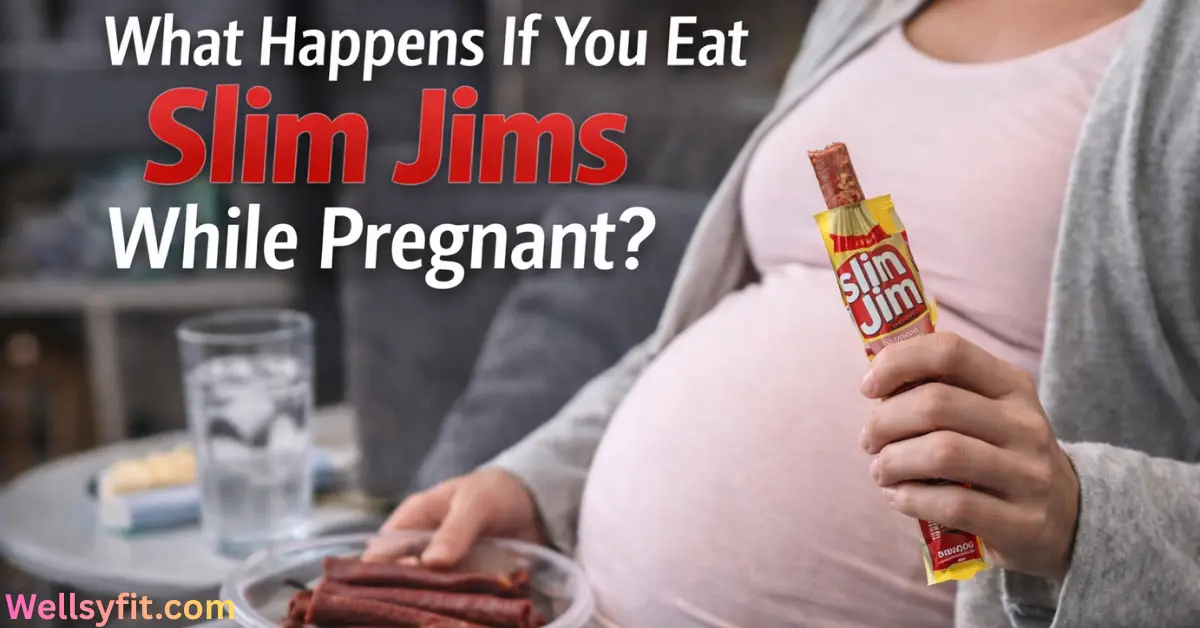
What happens if you eat Slim Jims while pregnant is a question many expecting mothers ask when cravings for salty or savory snacks hit. The short and honest answer is this: eating Slim Jims occasionally during pregnancy is unlikely to cause immediate harm, but regular or frequent consumption can increase health risks for both the mother and the developing baby.
The concern is not a single snack. It is the ingredients, sodium levels, preservatives, and long-term dietary patterns that matter most during pregnancy.
This article explains exactly what Slim Jims contain, how they affect pregnancy, and what you should know to make informed and calm food choices.
Are Slim Jims Safe During Pregnancy
Slim Jims are classified as processed meat snacks, and processed meats are not recommended as regular foods during pregnancy.
They are:
- High in sodium
- Low in essential nutrients
- Preserved with nitrates and nitrites
That does not mean one Slim Jim automatically causes harm. An occasional Slim Jim is not an emergency, but it should not become a routine snack during pregnancy.
What Are Slim Jims Made Of
Slim Jims are designed for convenience and flavor, not nutritional balance. Understanding their ingredients helps explain why moderation matters during pregnancy.
Most Slim Jims contain:
- Processed beef or poultry blends
- High sodium content
- Preservatives such as nitrates and nitrites
- Flavor enhancers and additives
- Very limited vitamins, minerals, or fiber
Pregnancy increases the body’s demand for nutrients like iron, calcium, folate, protein quality, and healthy fats. Slim Jims provide calories and salt but very little of what supports fetal growth.
Why Processed Meats Are a Concern During Pregnancy
Processed meats affect the body differently than fresh, whole foods.
During pregnancy, these effects are amplified because:
- Blood volume increases
- Kidneys work harder
- Digestion slows
- Blood pressure becomes more sensitive
Regular consumption of processed meats may contribute to:
- Fluid retention and swelling
- Elevated blood pressure
- Increased inflammation
- Lower overall diet quality
The issue is not fear. It is physiology.
What Happens If You Eat Slim Jims in Pregnancy
The effects depend on how often Slim Jims are eaten and how your body responds to sodium and additives.
Short-Term Effects on the Mother
In the short term, some pregnant women notice:
- Bloating or increased thirst
- Water retention due to sodium
- Heartburn or digestive discomfort
- Swelling in hands, ankles, or feet
These effects are usually temporary, but pregnancy makes them more noticeable.
Potential Effects on Pregnancy Health
With repeated consumption, the concern shifts to health outcomes:
- High sodium intake may raise blood pressure
- Blood pressure changes can increase pregnancy-related risks
- Processed snacks may replace nutrient-dense foods
The risk builds gradually. It is not instant.
Sodium Levels in Slim Jims and Pregnancy Risks
Sodium is one of the most important factors to consider.
A single Slim Jim contains approximately 400–500 milligrams of sodium, which is significant for a small snack.
| Item | Approximate Sodium |
|---|---|
| One Slim Jim | 400–500 mg |
| Pregnancy-friendly daily intake | Lower than general adult limits |
Too much sodium during pregnancy may lead to:
- Swelling and water retention
- Increased blood pressure
- Added strain on kidney function
Occasional intake is manageable. Frequent intake is where risk increases.
Nitrates and Nitrites – Why They Matter in Pregnancy
Nitrates and nitrites are preservatives used in processed meats to extend shelf life and enhance flavor.
During pregnancy, regular exposure is discouraged because:
- They may interfere with oxygen transport in the body
- They contribute to oxidative stress
- They are linked to poor overall dietary patterns
One exposure is unlikely to cause harm. Habitual intake is the concern.
Foodborne Illness Risk and Pregnancy
Pregnancy naturally lowers immune defenses, making expectant mothers more vulnerable to foodborne illness.
Even shelf-stable processed meats carry risk if:
- Stored incorrectly
- Consumed after opening
- Handled without proper hygiene
Foodborne illness during pregnancy can lead to:
- Dehydration
- Fever
- Increased stress on the placenta
This is why food safety guidelines become stricter during pregnancy.
Can Eating Slim Jims Harm the Baby
Slim Jims do not directly harm a baby after one serving.
The risk is indirect, through maternal health.
Concerns increase when:
- Blood pressure rises
- Nutritional quality declines
- Processed foods replace whole foods
- Sodium intake stays consistently high
Fetal development depends on the mother’s overall diet and health, not a single snack.
Is Eating One Slim Jim While Pregnant Dangerous
This is where reassurance matters.
Eating one Slim Jim while pregnant is unlikely to be dangerous. Pregnancy outcomes are shaped by patterns, not isolated moments.
Stress, guilt, and anxiety over a single snack often do more harm than the food itself.
Why Pregnancy Cravings Often Include Foods Like Slim Jims
Pregnancy cravings are driven by hormonal shifts, not nutritional logic.
Salty cravings are common because:
- Fluid balance changes
- Taste sensitivity increases
- Energy needs rise
- Comfort foods feel emotionally soothing
Cravings signal desire, not dietary necessity.
Healthier Alternatives to Slim Jims During Pregnancy
When cravings hit, safer options can satisfy salt or protein needs without added risk.
Better choices include:
- Fresh, fully cooked lean meats
- Nuts or seeds in moderate portions
- Low-sodium cheese sticks
- Yogurt with added protein
- Homemade snacks with controlled seasoning
These options support both cravings and nutrition.
How Often Is Too Often to Eat Slim Jims While Pregnant
Frequency matters more than quantity.
- Once or twice during pregnancy → Low concern
- Weekly or multiple times per week → Higher risk
- Daily or meal replacement → Not recommended
Pregnancy nutrition is about consistency, not restriction.
Common Myths About Slim Jims and Pregnancy
Myth: One Slim Jim can harm the baby
Fact: Harm comes from repeated patterns, not one snack
Myth: All processed meats are forbidden
Fact: Moderation and awareness matter
Myth: Cravings must always be satisfied
Fact: Cravings are signals, not instructions
Case Perspective – Occasional vs Habitual Intake
In an occasional pattern, Slim Jims appear rarely and meals remain balanced. Outcomes are typically stable.
In a habitual pattern, processed snacks replace meals, sodium stays high, and nutrients drop. Over time, discomfort and risk increase.
The difference is frequency and balance, not the food alone.
Final Words on Slim Jims During Pregnancy
What happens if you eat Slim Jims while pregnant depends on how often they appear in your diet. A single snack is unlikely to cause harm. A pattern of frequent processed meat consumption, however, can increase pregnancy-related risks.
Pregnancy is not about perfection. It is about awareness, moderation, and consistency. Balanced nutrition matters far more than one craving.
FAQs About Eating Slim Jims While Pregnant
Disclaimer: Content on WellsyFit is for informational purposes only and does not replace professional medical advice. Always consult a healthcare provider.