
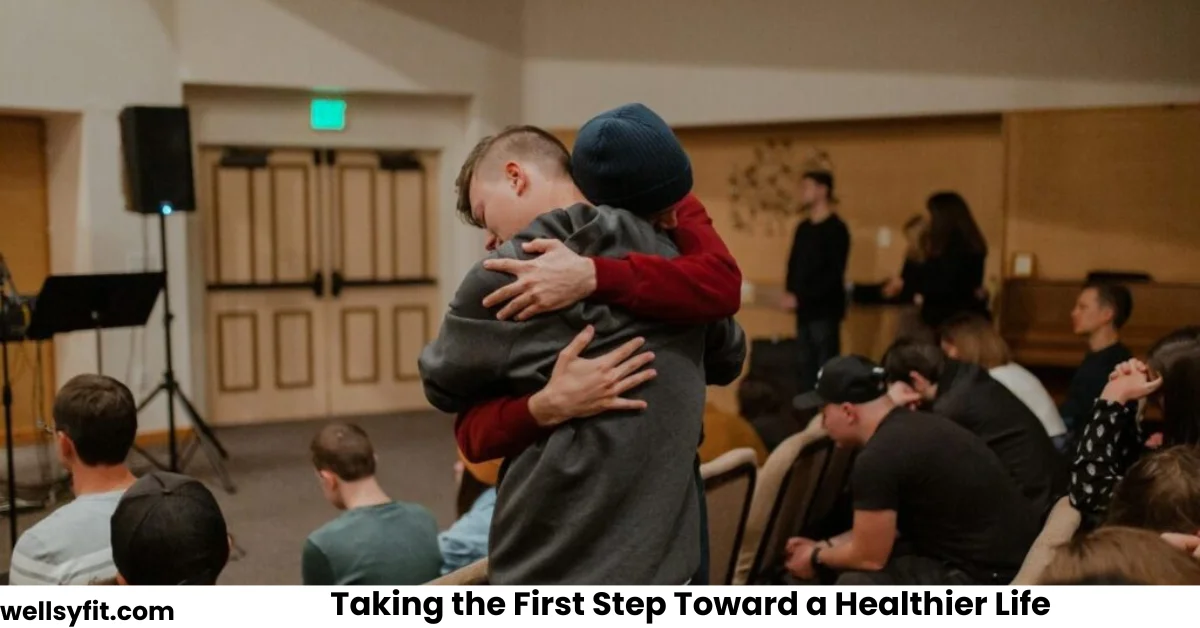
The first day after quitting substances often carries a mix of fear and relief. Stepping away from substance use means choosing clarity over chaos and health over harm. That choice may feel fragile at first, yet it signals the start of a new direction. A healthier life does not happen overnight. It begins with a firm decision and a willingness to accept help.
Early recovery requires focus. Energy that once revolved around finding and using substances must shift toward healing. Medical care, counseling, and support systems form the backbone of this transition. Clear guidance prevents confusion and reduces the risk of returning to old habits. Each practical step forward strengthens confidence and builds momentum.
The Decision to Quit
A lasting recovery begins with a personal commitment. Outside pressure can spark change, but internal resolve keeps it alive. Honest reflection plays a critical role here. Looking at how substance use has affected physical health, mental clarity, finances, and relationships helps sharpen motivation. Clarity about consequences often fuels determination.
Accountability also matters. Sharing the decision with a trusted friend, partner, or family member adds weight to the commitment. That conversation may feel uncomfortable, yet it creates support and reduces secrecy. Professional guidance can reinforce this resolve. A primary care provider or addiction specialist can explain what to expect in early recovery and outline safe next steps.
Professional Treatment Options
Professional treatment offers structure at a time when stability is essential. Addiction affects both the brain and the body so that medical oversight can make a significant difference. Treatment programs vary in intensity, ranging from inpatient rehabilitation to outpatient counseling. The right choice depends on the severity of use, medical history, and personal responsibilities.
Residential programs provide a controlled environment free from daily triggers. Patients receive medical monitoring, therapy, and peer support in one setting. This focused approach allows individuals to step away from harmful environments and concentrate fully on recovery. Look up 30 day rehab near me to find programs that match your clinical needs, insurance coverage, and long-term goals. Outpatient care offers flexibility for those who cannot step away from work or family obligations. Structured therapy sessions, medication management, and regular check-ins still provide accountability.
Medical Detox and Early Stabilization
Detox marks the first physical phase of recovery. Withdrawal symptoms can range from mild discomfort to serious medical complications, depending on the substance and length of use. Supervised detox ensures safety during this vulnerable period. Medical staff monitor vital signs, manage symptoms, and respond quickly to complications.
Stabilization does more than address physical discomfort. Clear thinking gradually returns as substances leave the body. Emotional swings may still occur, yet medical support reduces intensity and risk. A safe detox process builds trust in the recovery journey. Patients often feel encouraged when they realize their bodies can begin to heal.
Therapy and Behavioral Support
Therapy addresses the underlying reasons behind substance use. Individual counseling provides a private space to examine stressors, trauma, and thought patterns linked to addiction. A trained therapist guides these conversations with empathy and structure. Honest dialogue helps uncover habits that once felt automatic.
Group therapy adds another layer of support. Listening to others share similar struggles reduces isolation and shame. Shared experiences create accountability and encouragement. Evidence-based methods such as cognitive behavioral therapy teach practical skills for managing cravings and reframing negative thoughts.
Building a Reliable Support System
Strong support plays a central role in long-term sobriety. Isolation often fuels addiction, so connection becomes a protective factor in recovery. Family members and close friends can offer encouragement, though boundaries may need to be reset. Family therapy sessions guide rebuilding trust and improving communication.
Peer support groups offer a different type of understanding. Members share real-life experiences, setbacks, and victories. That honesty creates perspective and reminds individuals they are not alone. Sponsors or accountability partners can provide direct guidance during moments of temptation.
Lifestyle Changes That Protect Sobriety
Daily habits shape the strength of recovery. Structure replaces the unpredictability that once revolved around substance use. A consistent sleep schedule supports emotional balance and mental clarity. Regular meals restore physical health and stabilize mood. Exercise reduces stress and improves overall well-being, offering a natural outlet for tension.
Productive routines also create a sense of purpose. Work responsibilities, school commitments, or volunteer efforts add structure to each day. Free time that once created vulnerability now becomes an opportunity for growth. Hobbies such as reading, music, or outdoor activities provide enjoyment without harmful consequences.
Recovery begins with a single decision and grows through steady action. Professional treatment, medical stabilization, therapy, and reliable support create a strong foundation. Healthy routines and practical relapse prevention strategies protect that progress over time.
A healthier life after quitting substances does not rely on willpower alone. Clear planning, honest communication, and consistent effort turn early sobriety into lasting change. Each day of commitment strengthens physical health, emotional stability, and self-respect. Recovery becomes more than the absence of substances. It becomes the presence of purpose, structure, and hope for the future.
Disclaimer: Content on WellsyFit is for informational purposes only and does not replace professional medical advice. Always consult a healthcare provider.